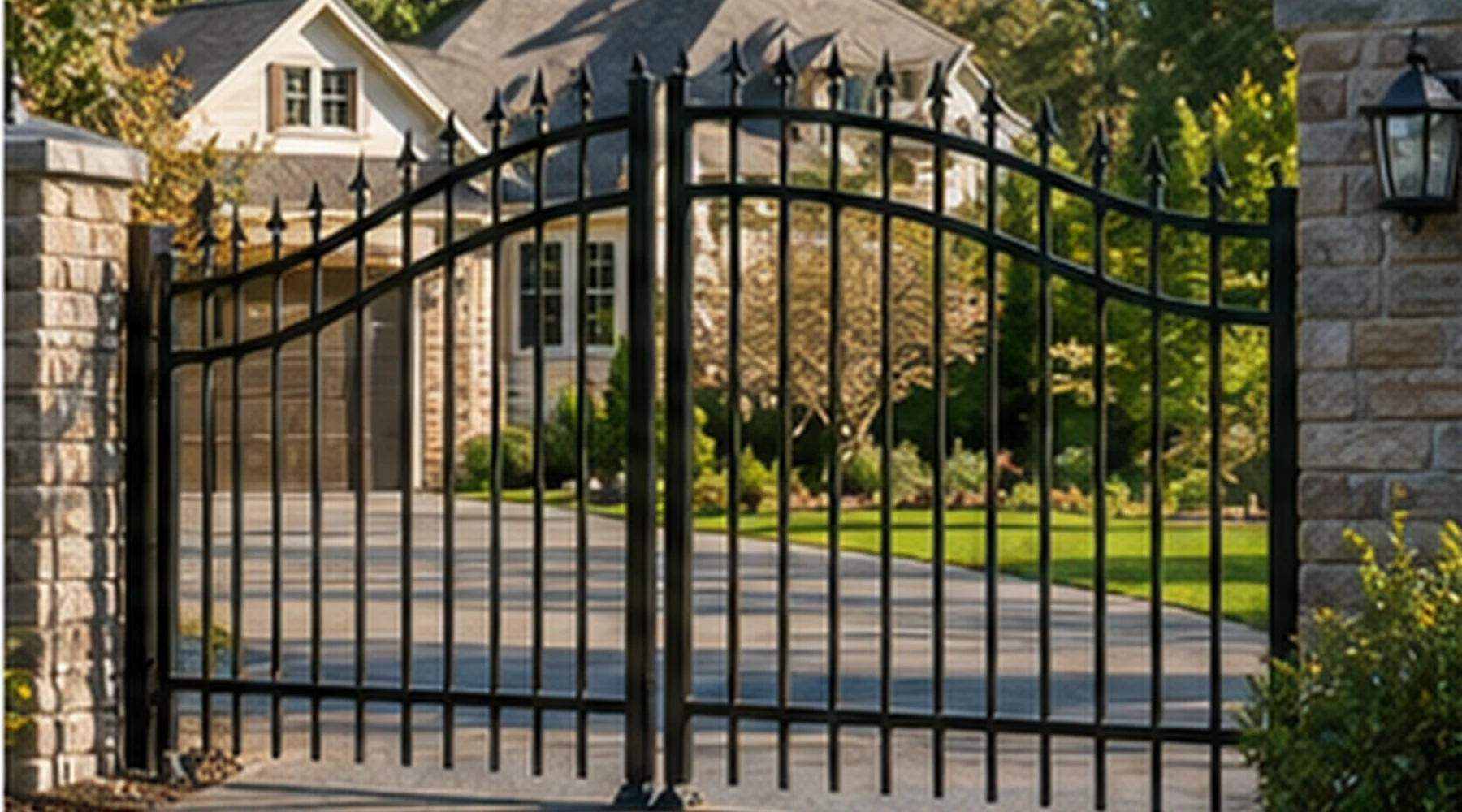
Pet fence installation in Frederick

Specialty Fencing

Pet Fence Installation in Frederick, MD

Dog and pet containment fencing in Frederick — matched to your specific breed's height, weight, and escape habits, with the right gap control and base detail to keep animals in and wildlife out.

01Height Depends on the Breed

A 4-foot fence contains most dogs under 50 lbs. Large or athletic breeds (Labrador, German Shepherd, Husky) need 5-6 feet. Agility-trained dogs or determined jumpers may need 6 feet with an inward angle at the top. We ask about the breed and jumping behavior before specifying height.

02The Gap at the Bottom

Standard fence installation leaves a gap at the base where the ground is uneven. Small dogs fit through gaps over 3 inches. We close the gap at the base with buried apron wire, a concrete skirt, or a gravel board depending on the fence material and substrate.

03Gates Dogs Can't Nose Open

Dogs learn to push spring latches open. Pet containment gates need a two-action latch — a mechanism that requires two separate motions to open — so a dog pressing against the gate can't inadvertently release the latch.

Frederick Pet Fence Planning

Pet Fence Installation: Thinking About Escape Routes

Dogs escape fences in three ways: jumping over, squeezing under, and pushing through or around a gate. The right pet fence addresses all three for the specific breed in question. A 6-foot wooden privacy fence with a 4-inch gap at the base is ineffective for a small terrier. A 4-foot aluminum fence with tight picket spacing and a dig guard apron works fine for most companion breeds. We design the fence to the actual animal rather than to a general standard.

Digging Dogs: The Apron Solution

Dogs that dig under fences are addressing the gap at the base or the soil immediately inside the fence line. The most effective deterrent is an L-footer — a length of welded wire fencing attached to the base of the fence and bent 90 degrees outward into the ground (or laid flat on the grass surface) for 12-18 inches. The dog encounters the buried wire before reaching the fence base and learns the area is impassable without ever encountering the actual post.

For wood or vinyl privacy fences, a concrete grade board poured along the base eliminates the gap entirely. For areas where digging is severe and the substrate allows it, burying the fence panel 6 inches below grade is another option. We recommend the approach based on the soil type and dig severity.

Fence Materials for Pet Containment

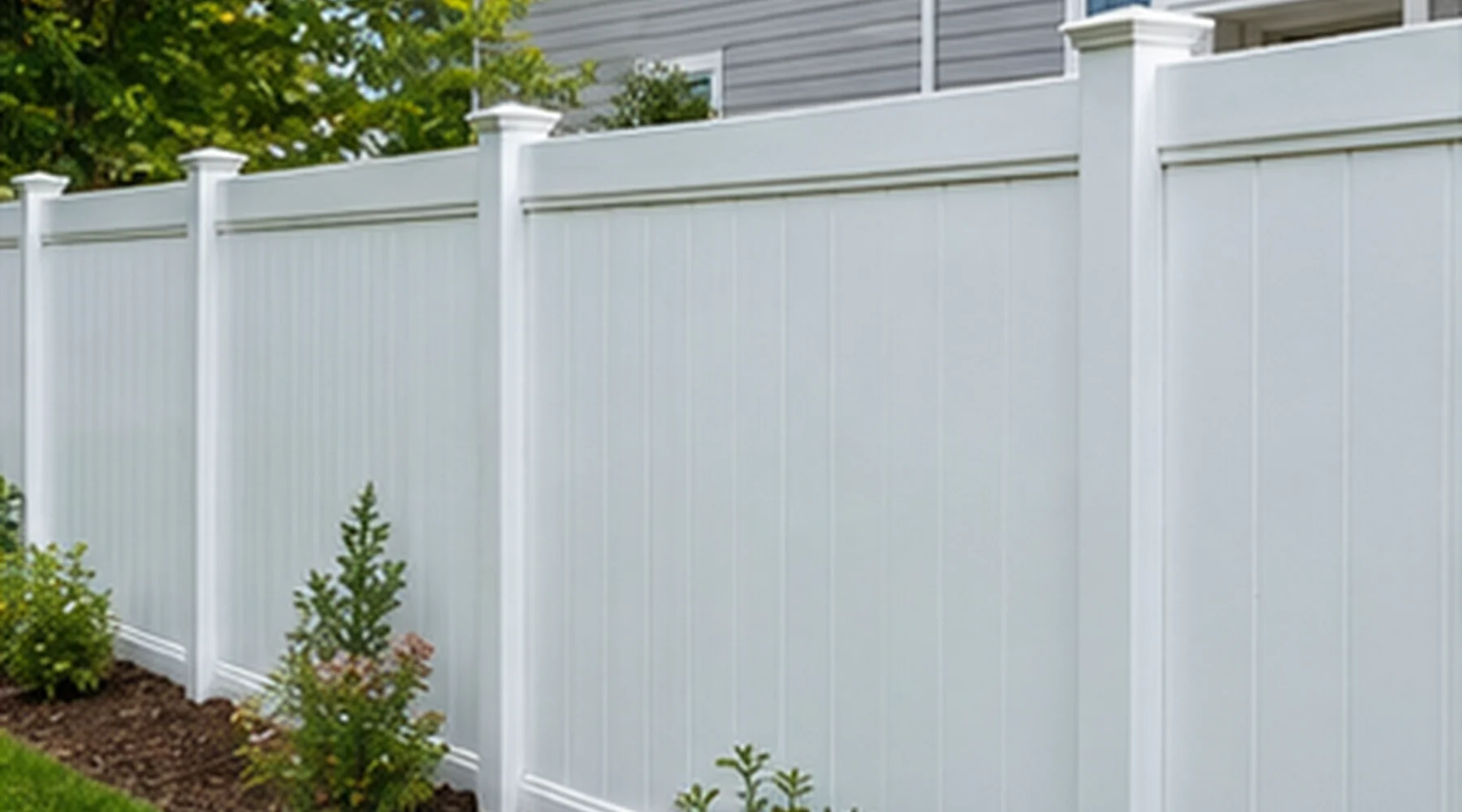
  • Wood privacy (6-foot, board-on-board for solid visual barrier)
  • Chain link (visibility through, economical for large areas)
  • Welded wire (small mesh for small dogs or puppies)
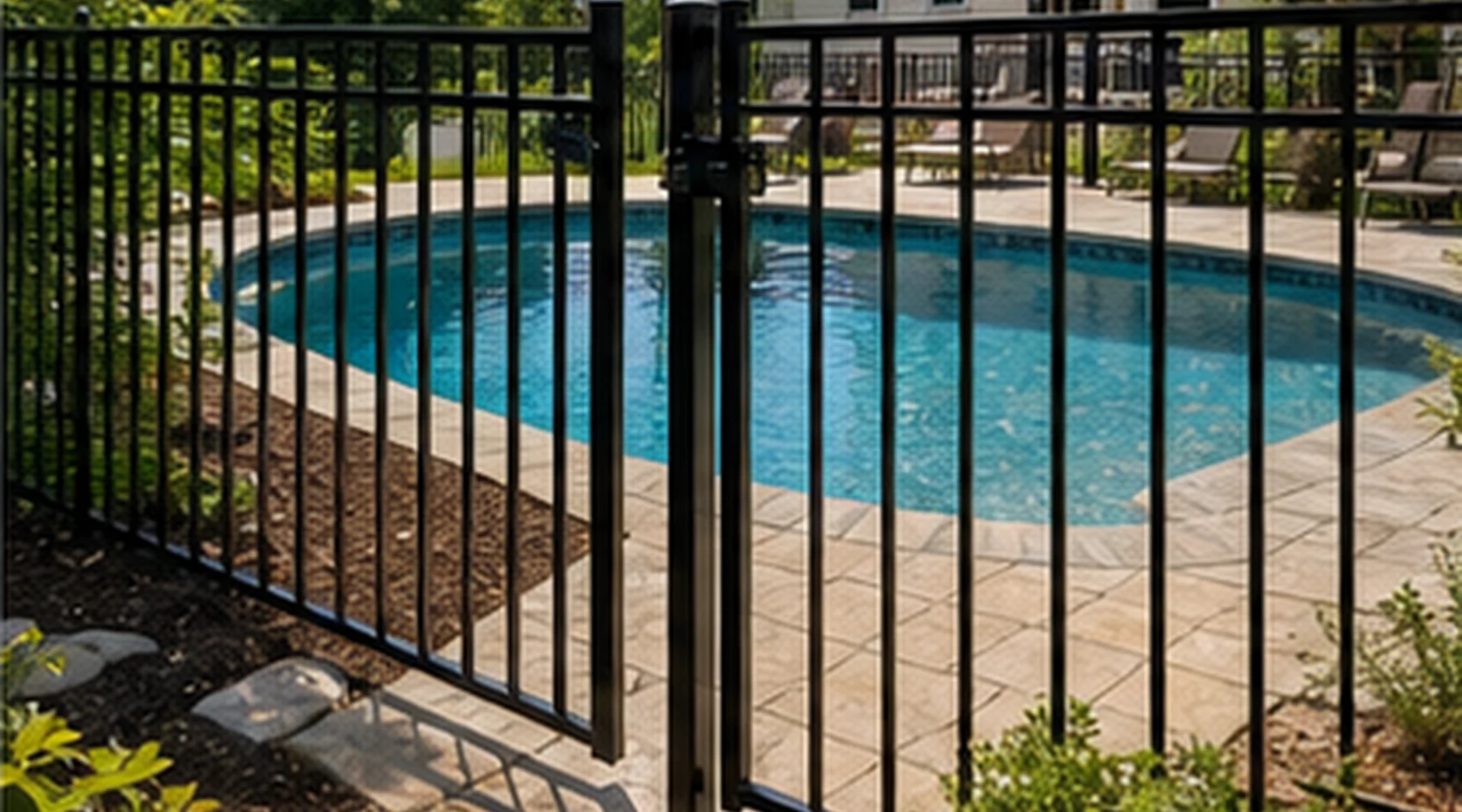
  • Aluminum (4-5 foot with 3.5-inch or closer picket spacing)

Pet Fence Installation Details

  • Base gap closed with buried apron, gravel board, or concrete
  • Gates with two-action or keyed latch
  • Bottom panel clearance at 1.5-inch maximum for small dogs
  • Coyote roller or angled top for high-jump dogs if needed
What Happens Next

Our Pet Fence Installation Process

1

Breed and Behavior Assessment

Breed height, jumping tendency, and digging history discussed. Fence height and base detail confirmed before design is finalized.

2

Post Setting

Posts set at 30-inch minimum depth with concrete. Post height set to achieve specified above-grade fence height for the breed. Posts plumbed and cured.

3

Fence and Base Installation

Fence panels installed. Base gap addressed per agreed method (apron wire, gravel board, or concrete). Gate framed with two-action latch hardware.

4

Gate and Hardware Completion

Gate hung and two-action latch installed and tested. Self-close spring added if requested. Full perimeter walk for gaps, protrusions, or clearance issues.

High-Jump Dogs

Some breeds — Huskies, Belgian Malinois, border collies — have vertical jumps that exceed the 6-foot fence height that stops most dogs. For these breeds, a coyote roller (a spinning tube at the top of the fence that rolls when a dog tries to get a grip) or an inward-angled topper (the top 6-8 inches of the fence angles inward toward the yard) prevents scaling. We discuss these options for known high-jump breeds before installation.

Electric Underground Fence vs. Physical Fence

Underground electric fence (collar-based) is significantly cheaper than a physical fence. It works for dogs that respond to correction reliably. It does not keep other animals or people out of the yard, does not work for all dogs, and requires training. A physical fence provides complete containment, keeps wildlife and intruders out, and requires no ongoing collar management. Most pet owners find physical fencing more reliable long-term.

Chain Link for Large-Area Pet Runs

For large yard areas where budget limits material choice, chain link provides cost-effective containment. The main limitation for small dogs is mesh size — standard 2-inch mesh is too large for small breeds to be stopped at the base. Small-mesh chain link (1-inch mesh in the bottom 18 inches) or an apron wire addresses this. For large breeds in large yards, standard chain link with a top rail and tension wire is adequate and economical.

Frederick County Leash Law Context

Frederick County requires dogs to be under restraint when off the owner's property. A pet fence that contains your dog on your property keeps your dog in compliance with the leash ordinance automatically. Installing a pet fence and eliminating the need to leash for backyard time is one of the most common reasons homeowners in Frederick request a fence consultation.
Frederick Pet Fence

Ready to Let the Dog Out Safely?

Tell us the breed, the yard size, and any known escape history and we will spec the right containment solution.

Request Service

Questions About Pet Fence Installation

What height fence do I need for my dog?

Under 25 lbs (terriers, beagles, dachshunds): 4 feet minimum. 25-60 lbs (retrievers, boxers, most companion breeds): 5 feet. Over 60 lbs or athletic breeds (Huskies, shepherds, labs): 6 feet. Known jumpers or agility-trained dogs may need 6 feet plus an anti-climb topper. When in doubt, go taller — adding height at installation costs much less than replacing fence sections after an escape.

How do I stop my dog from digging under the fence?

The most effective methods are an L-footer apron (welded wire bent 90 degrees outward and buried or laid flat on the ground outside the fence line), a concrete grade board along the fence base, or burying the fence panel 6 inches below grade. The L-footer is the most practical for existing or new wood and vinyl fences. We include apron installation as an option on all pet fence projects for dog owners who report digging behavior.

Can I install a pet fence in stages to spread the cost?

Yes — if the yard layout allows it. Many homeowners install the main perimeter fence first and add a gate or close an additional section later. The important thing is to complete a closed perimeter before letting the dog use the area. A fence with an open section is not a containment fence. We can design the final perimeter plan and stage the installation in sections as budget allows.

Related Fence Services