Walk gate installation in Frederick

Gates & Access Solutions

Walk Gate Installation in Frederick, MD

Pedestrian walk gates for side yards and backyard access — framed correctly for the fence material, hung with hardware that won't sag, and sized for how the opening is actually used.

01Width Before You Frame

A walk gate that's too narrow for the lawn mower, wheelbarrow, or garbage can you need to pass through it is a constant daily frustration. We confirm the widest object that needs to pass before setting gate posts so the opening is correct from day one.

02The Diagonal Brace

A wood walk gate without a diagonal compression brace will sag — the latch side drops as the unsupported gate frame twists under its own weight over time. Every wood gate we build includes a diagonal brace from the bottom hinge corner to the top latch corner.

03Gate Posts Are Not Line Posts

Gate posts carry dynamic load from gate swing that line posts don't see. Gate posts need to be heavier, deeper, and more completely filled with concrete than adjacent line posts. An undersized gate post is the most common reason walk gates sag or lean within a few years.

Frederick Walk Gate Installation

Walk Gate Installation: Getting the Width and Frame Right

A walk gate is the most-used component of a residential fence. It opens and closes multiple times per day, carries the dynamic load of swinging open, and its latch takes the impact of being pulled shut. Getting the width, frame construction, hinge hardware, and gate post installation right at the start determines whether the gate works smoothly for the life of the fence or becomes a repair problem within the first few years.

Walk Gate Width: What You Actually Need

The standard residential walk gate is 36 inches clear — enough for a person, a wheelbarrow, or most garbage cans. If a riding mower needs to pass, 48 inches minimum is required; most zero-turn mowers need 52-60 inches. Standard garbage cans with handles need 34-36 inches. Oversized garbage cans (96-gallon rollouts) need 38 inches minimum.

Clear width means the opening after the gate frame and post are installed — not the rough opening between posts. A 36-inch clear gate requires approximately a 38-inch post-to-post opening to accommodate the gate frame, hinges, and latch hardware. We calculate the rough opening for the desired clear width before setting posts.

Walk Gate Configurations We Install

  • Single swing walk gate (standard, up to 4-foot clear width)
  • Wide walk gate (4-6 feet, for mower or equipment clearance)
  • Arched top walk gate (wood privacy, decorative profile)
  • Matching vinyl or aluminum gates for low-maintenance fences

Walk Gate Installation Standards

  • Gate posts set at 30-inch minimum depth with full concrete fill
  • Heavy-duty strap or surface-mount hinges for gate weight
  • Diagonal compression brace on all wood gates
  • Spring latch or cane bolt adjusted before completion
What Happens Next

Our Walk Gate Installation Process

1

Width and Swing Planning

Clear width confirmed. Swing direction decided (opens inward vs. outward, which side hinges are on). Latch height set for age of user if pool barrier requirements apply.

2

Gate Post Setting

Gate posts set at 30-inch minimum depth, concrete-filled to grade. Posts plumbed and braced. 24-hour cure before gate installation.

3

Gate Frame and Board Installation

Gate framed with structural lumber including diagonal brace. Boards or panels installed to match fence. Gate hung on heavy-duty hinges.

4

Hardware and Adjustment

Latch installed and adjusted for positive engagement. Self-close spring added if required (pool barrier). Gate swing and clearance confirmed at installed grade.

Gate Swing Direction

Walk gates typically swing inward — toward the yard — so the gate cannot be pushed open from the exterior. For pool barriers, inward swing is required. For some yard configurations where the gate needs to open away from a downslope or a structure, outward swing is necessary. We confirm swing direction before setting gate posts so the hinge placement is correct.

Self-Closing Gates for Pool Enclosures

Any gate that provides access to a pool enclosure must be self-closing and self-latching. The self-close spring is adjusted so the gate swings closed and latches without assistance. The latch must be at 54 inches or higher (on the pool side) or be key-operable to prevent child access. We install and test the self-close mechanism on all pool barrier gates before completion.

Replacing an Existing Gate vs. Adding New

If the existing gate posts are sound, replacing a failing gate is straightforward — new gate hung on the existing posts with new hardware. If the gate posts are also failing, they need to be replaced first or at the same time. We assess the post condition before recommending whether to reuse or replace posts when a gate replacement is requested.

Latch Hardware Options

Standard walk gate hardware includes a spring latch that engages automatically when the gate swings closed. Keyed deadbolt locks are available for gates that need to be secured from the outside. Magnetic latches are available for pool-barrier applications. Heavy-duty slide bolt latches work for gates secured from the inside. We discuss the security and access requirements before specifying hardware.
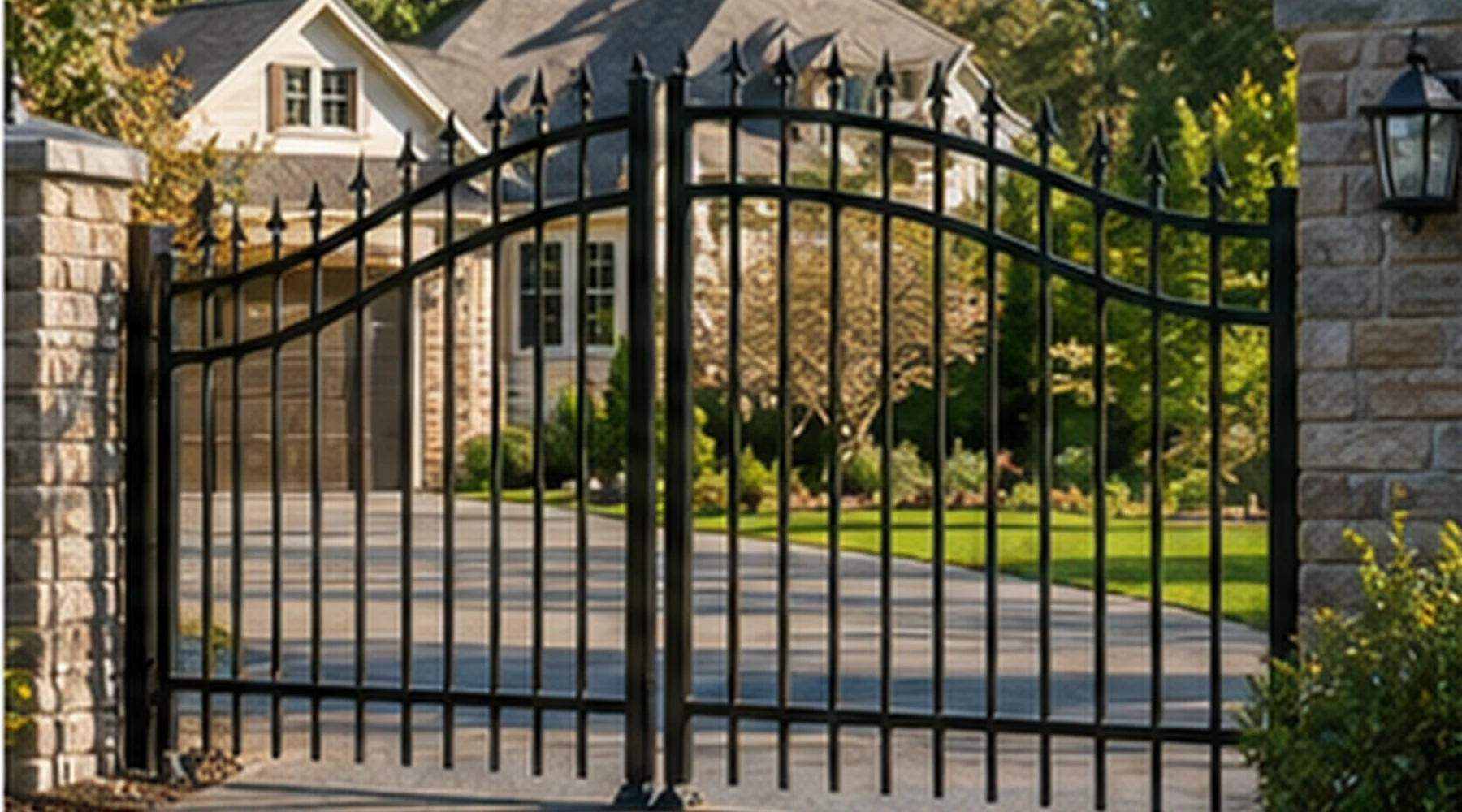
Frederick Walk Gate

Need a New Walk Gate or Replacement?

Tell us the fence material, gate width needed, and how it will be used and we will spec the right gate and hardware.

Request Service

Questions About Walk Gate Installation

Why does my walk gate sag and drag on the ground?

Gate sag has two common causes: missing diagonal brace in the gate frame, or gate posts that weren't sized for gate loads. A wood gate frame without a diagonal brace from bottom hinge corner to top latch corner will twist over time and the latch side drops. If the gate posts are the same 4x4 size as line posts rather than heavier gate-post material set deeper with more concrete, the posts themselves tilt as the gate loads them cyclically.

What width gate do I need for a riding lawn mower?

Most residential riding mowers are 42-54 inches wide at the deck plus side discharge or handles. Plan for a minimum of 48 inches clear width. Zero-turn mowers can be 60 inches or wider. Measure your specific mower's widest dimension — the handlebars, deck, or side discharge — and add 4-6 inches for comfortable clearance. Squeezing through a gate with a mower deck scraping both sides is hard on the gate hardware and the mower.

Can I add a lock to my walk gate?

Yes. A surface-mounted deadbolt, a keyed padlock through a hasp, or a digital keypad lock can all be added to a walk gate. For gates with a latch on the inside that you want to lock from the outside as well, a key-operable cylinder deadbolt installed through the gate frame is the cleanest solution. We discuss lock options when planning the gate installation.

Related Gate Services