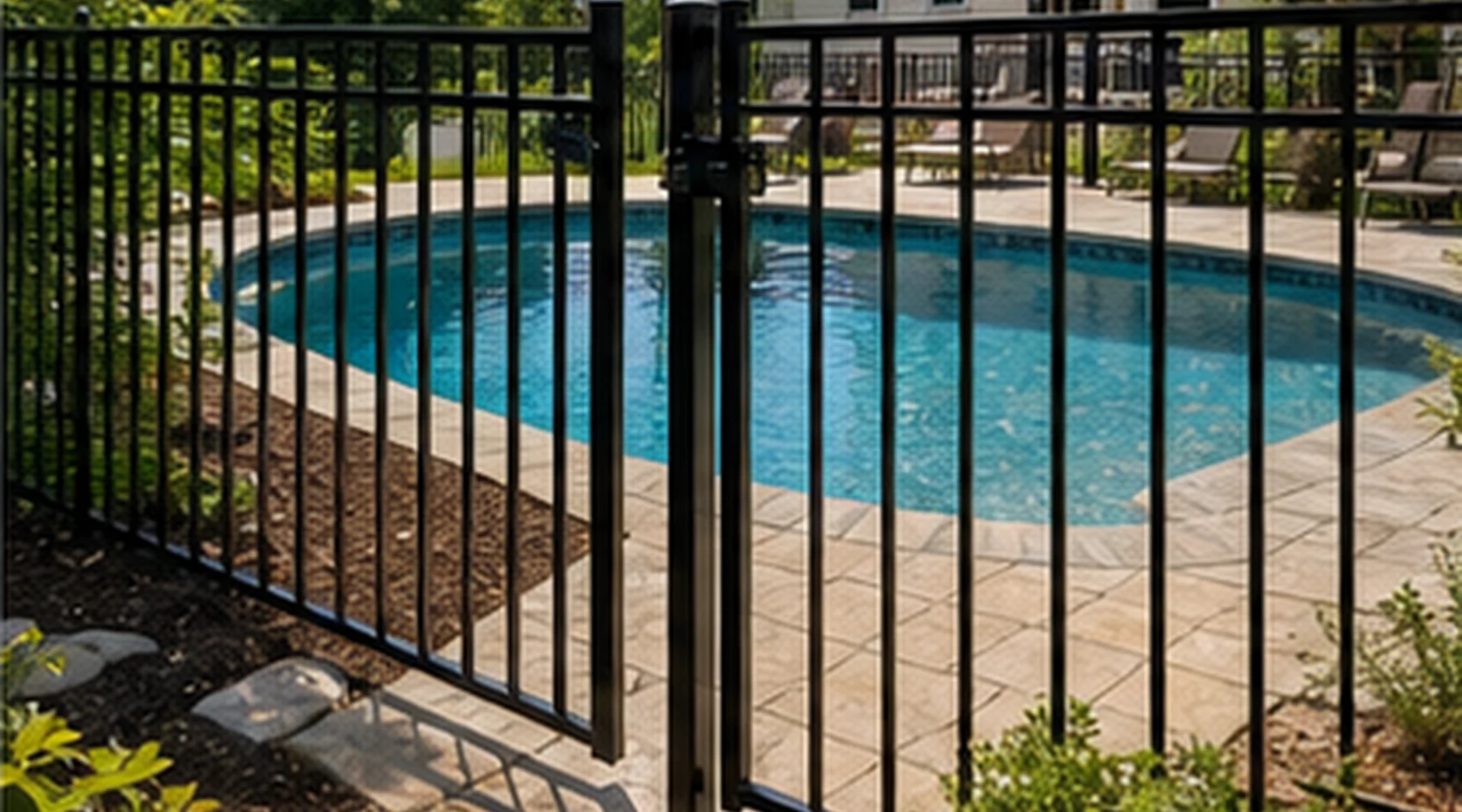
Decorative fence installation in Frederick

Specialty Fencing

Decorative Fence Installation in Frederick, MD

Ornamental and decorative fencing for front yards, garden borders, and landscape definition — where the fence is part of the curb appeal rather than a privacy barrier.

01Decorative Purpose, Structural Installation

A decorative fence that sags or leans after two winters undercuts the curb appeal it was meant to create. Decorative fence posts go in the ground with the same depth and concrete standards as functional fencing — the aesthetic purpose doesn't reduce the installation requirements.

02HOA Front Yard Restrictions

Front yard fencing in many Frederick County HOA communities is restricted by height, material, or style. Some HOA covenants prohibit front yard fencing entirely except for approved garden borders. We confirm HOA requirements before specifying any front yard decorative fence.

03Material Matches the Home

A formal colonial home pairs well with black aluminum ornamental. A craftsman bungalow reads better with a wood picket fence. The fence material should be consistent with the architectural character of the house rather than selected in isolation.

Frederick Decorative Fence Planning

Decorative Fencing: Choosing the Right Style for the Application

Decorative fencing covers a wide range of styles and purposes — from low garden edging to 4-foot ornamental aluminum to custom-profile cedar picket. The right choice depends on the primary function (define a front yard, border a garden, frame a landscape bed), the architectural context, HOA requirements, and maintenance tolerance. We help narrow the options to what actually fits the application before specifying materials.

Decorative Fence Styles for Frederick Homes

Aluminum ornamental (flat-top and spear-top profiles): The most popular decorative fence for front yards in Frederick County. Black powder coat is the dominant color. Minimal maintenance, rust-free, and available in 2-rail to 4-rail profiles. Works for formal, traditional, and transitional home styles.

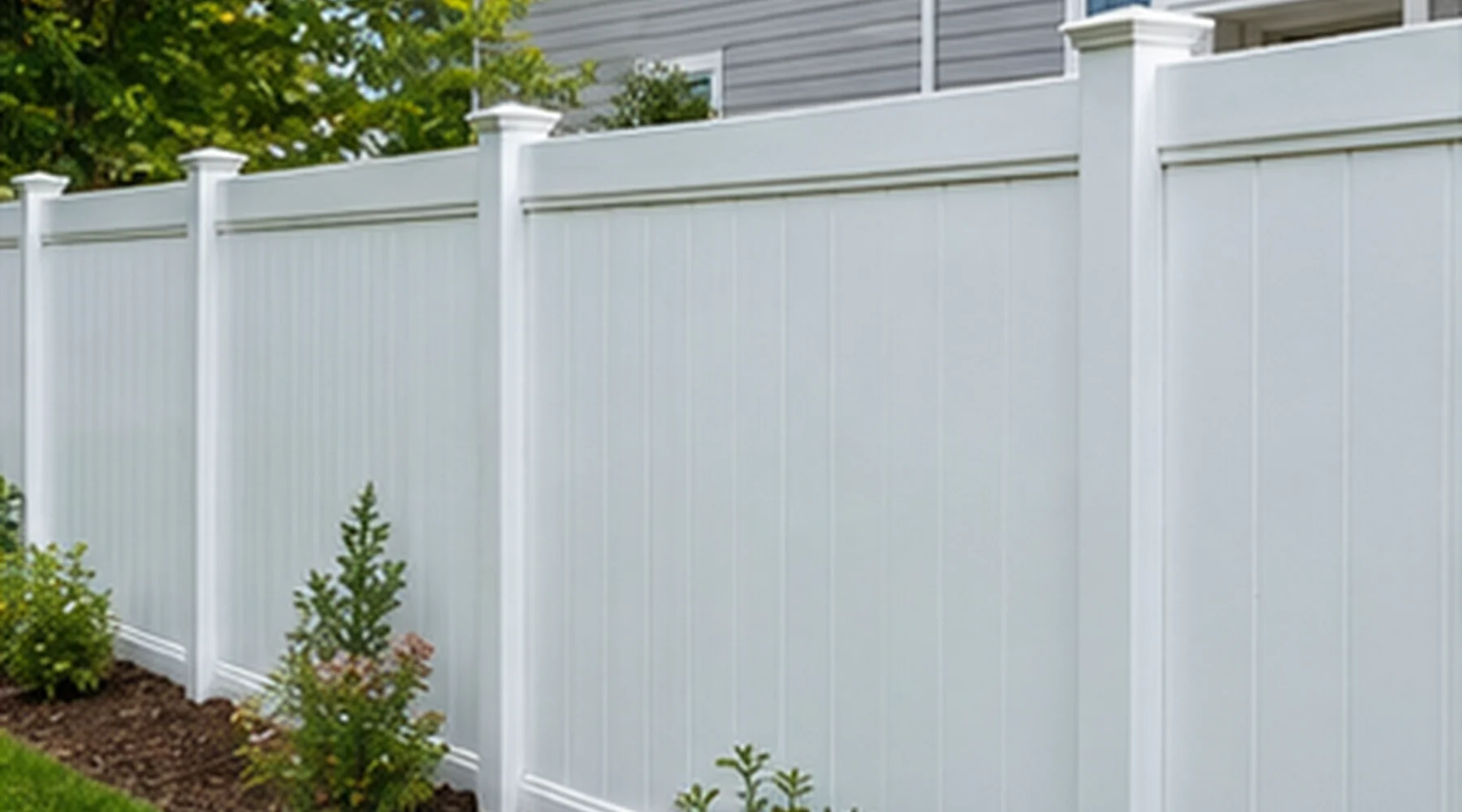
Wood picket: Classic curb-appeal fence for cottage, craftsman, and Victorian-style homes. Dog-ear, pointed, or decorative French gothic top cap options. Requires periodic painting or staining to maintain appearance. Authentic to the architectural style of many older Frederick neighborhoods.

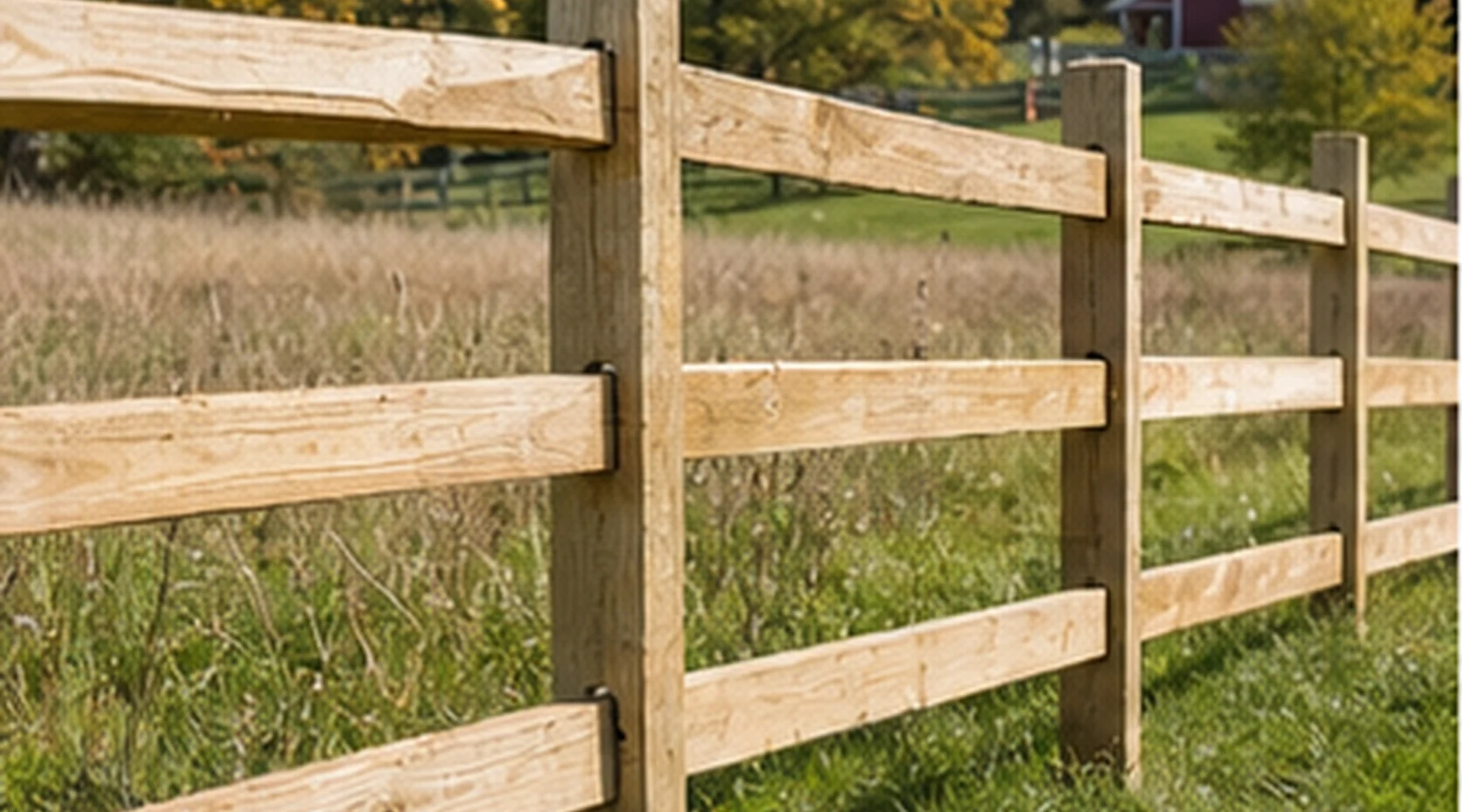
Split rail: Two- or three-rail split rail with or without wire mesh backing. Rustic character that works in wooded, country, or farmhouse settings. Economical for long runs. Not appropriate for urban or formal residential contexts.

Estate or custom profiles: Custom wood profiles (Gothic peak, double-arched, lattice-top) for properties where standard profiles won't achieve the intended look. These typically cost more and require skilled installation but produce results that standard products can't match.
Common Decorative Fence Applications

  • Front yard boundary definition (4-foot aluminum or picket)
  • Garden and landscape bed border (2-foot ornamental)
  • Driveway approach framing
  • Entry gate accent with matching fence panels

Decorative Fence Installation Standards

  • Posts set in concrete at correct depth for fence height
  • Concrete sloped away from post at grade to shed water
  • Post spacing calculated to avoid narrow end panels
  • Gate hardware matched to fence profile and weight
What Happens Next

Our Decorative Fence Installation Process

1

Style and Material Selection

Application confirmed. Material and profile selected. HOA color or style requirements confirmed. Post spacing designed to avoid awkward end panels.

2

Layout

Post locations marked and confirmed. MISS UTILITY called. Property corners verified for front yard fence placement.

3

Post Setting

Posts set at correct depth for fence height. Concrete sloped at grade. Posts plumbed and cured before panels.

4

Panel and Gate Installation

Panels installed and secured. Gate hung with appropriate hardware for the fence profile. Final alignment confirmed from street view.

Black vs. Bronze Aluminum: Making the Choice

Black aluminum ornamental is the most neutral choice — it reads as a formal garden or architectural element against any house color. Bronze or oil-rubbed bronze aluminum reads warmer and is popular with homes that have brown or tan exterior palettes. White aluminum is available but shows dirt more readily than dark colors and is less popular for full-yard ornamental runs. We bring material samples to site consultations so the color choice is made against the actual house exterior, not a photo.

Low-Height Decorative Fencing

Garden borders and landscape bed edging fences can be as short as 18-24 inches — just enough to define a space without blocking sight lines or requiring post depths that disturb established landscape beds. Aluminum deco rail in short heights installs with surface stakes or shallow posts. We match the installation method to the height and permanence requirement.

Gates in Decorative Fencing

A decorative fence without a gate looks unplanned if the fence crosses a path or entry point. We include gate location planning in every decorative fence layout so the finished design is complete — including a matching walk gate or driveway pass-through at every logical entry point.

Decorative Fence and Landscaping Coordination

Planting too close to a decorative fence accelerates board rot (in wood) or powder coat wear (in aluminum) from constant moisture contact and leaf debris. We recommend a 4-6 inch clear zone between plantings and the fence to allow air circulation and maintenance access. We can advise on plant placement if a landscape contractor is involved.

Frederick Decorative Fence

Looking to Improve the Front Yard or Define the Garden?

Tell us the style you have in mind, the linear footage, and the HOA requirements and we will put together options that fit.

Request Service

Questions About Decorative Fence Installation

Do I need a permit for a decorative front yard fence?

Frederick County generally requires a building permit for fences over 6 feet. Lower decorative fences in the front yard typically don't require a permit, but HOA approval is a separate requirement that many communities require for any fence visible from the street. We confirm both permit and HOA requirements for the specific address before starting.

How do I choose between aluminum and wood picket for my front yard?

If you want zero maintenance, aluminum is the clear choice. If you want the authentic character of painted or stained wood — and you're willing to paint it every 5-7 years — wood picket is the right answer. The maintenance commitment is the primary differentiator. Aluminum lasts decades without painting; wood requires it. The architectural character of the home is the secondary factor.

Can decorative fencing be used as a property line marker?

Yes, and many Frederick County homeowners use low ornamental aluminum as a clean property line definition on the front and side yards. The fence should be on your property, not on the property line itself, to avoid shared-ownership complications. A 3-6 inch setback from the property line is common practice. We confirm property line location before finalizing the fence placement.

Related Specialty Fence Services