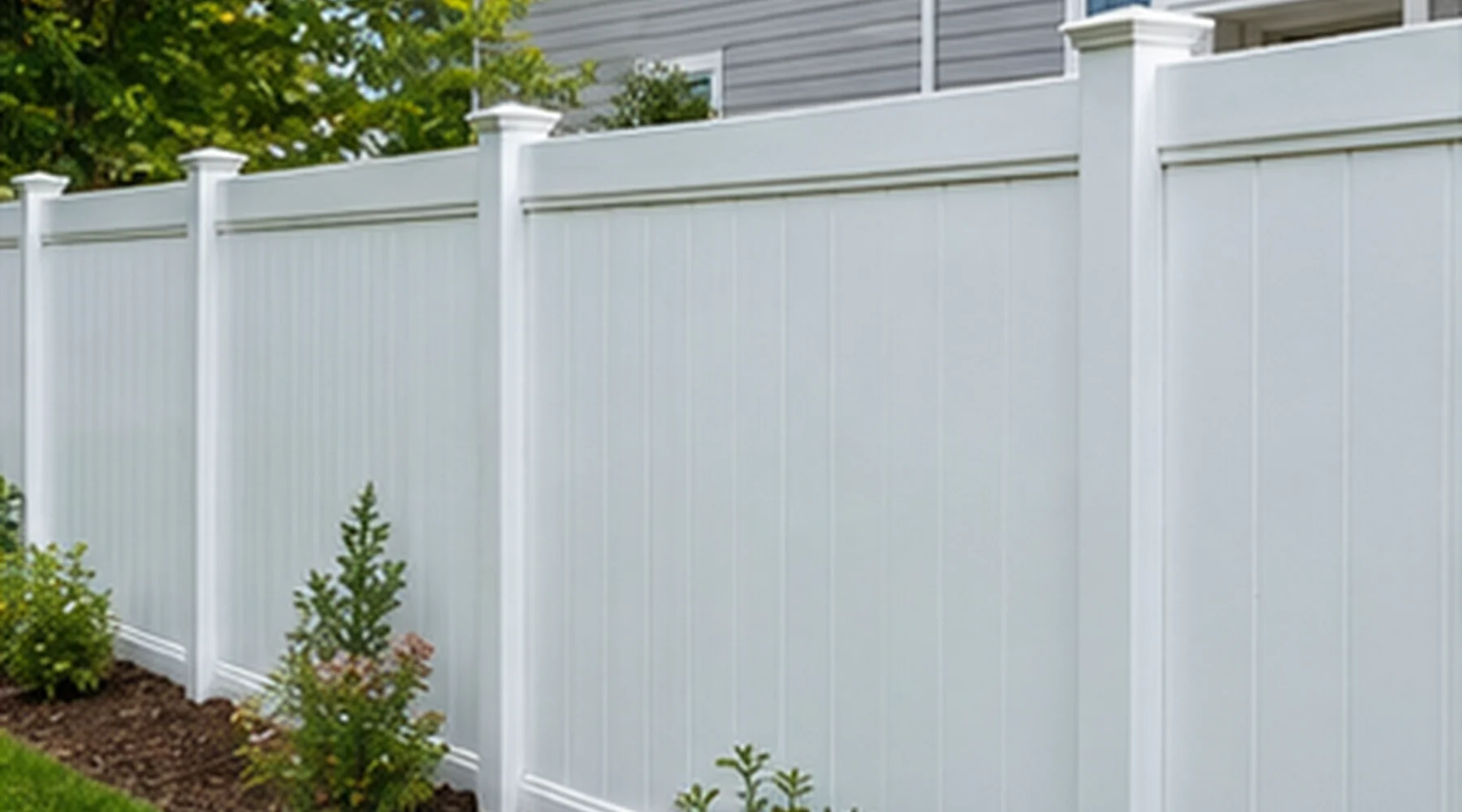
Wood fence installation in Frederick

Residential Fence Installation

Wood Fence Installation in Frederick, MD

Pressure-treated and cedar wood fencing in privacy, picket, and board-on-board styles — with ground-contact treated posts, concrete footings, and correct board spacing for appearance and durability.

01Treatment Level Matters

Not all pressure-treated lumber is the same. Posts need UC4B ground-contact treatment — the same board that is fine above grade will rot at the soil line within 5-7 years if it's only rated for above-ground use.

02Crown-Up Installation

Pressure-treated lumber has a crown — a slight bow in one direction. Rails and boards installed crown-up shed water away from the grain rather than trapping it. We install boards with crown orientation in mind.

03Wood Expands and Contracts

Wood fence boards installed with gaps will gap more in winter. Boards installed edge-to-edge will cup in summer humidity. We set spacing based on the material and season to produce the right finished appearance.

Frederick Wood Fence Planning

Wood Fence Installation: Getting the Material and Installation Right

Wood fence is the most common and most flexible fence option — but the quality varies more than any other material. Cheap PT boards, under-treated posts, and installation shortcuts (no concrete, shallow post depth) produce a fence that looks okay for two years and then deteriorates quickly. We install wood fencing with the material and technique that produces a fence that holds its line for 15+ years.

Pressure-Treated Pine vs. Cedar: When to Use Each

Pressure-treated pine posts and rails: Structural members (posts and rails) should always be pressure-treated pine. PT pine has better structural properties than cedar and the ground-contact treatment is what keeps posts from rotting. PT pine is always the right choice for structural fence components.

Cedar boards: Fence boards (the vertical visible boards) can be either PT pine or cedar. Cedar costs more but has a tighter grain that holds stain better, produces a more consistent finished appearance, and has a pleasant natural look if left to gray. PT pine boards are fine for privacy fence where appearance is secondary to function. For a fence you plan to stain or paint, cedar boards produce a higher-quality result.
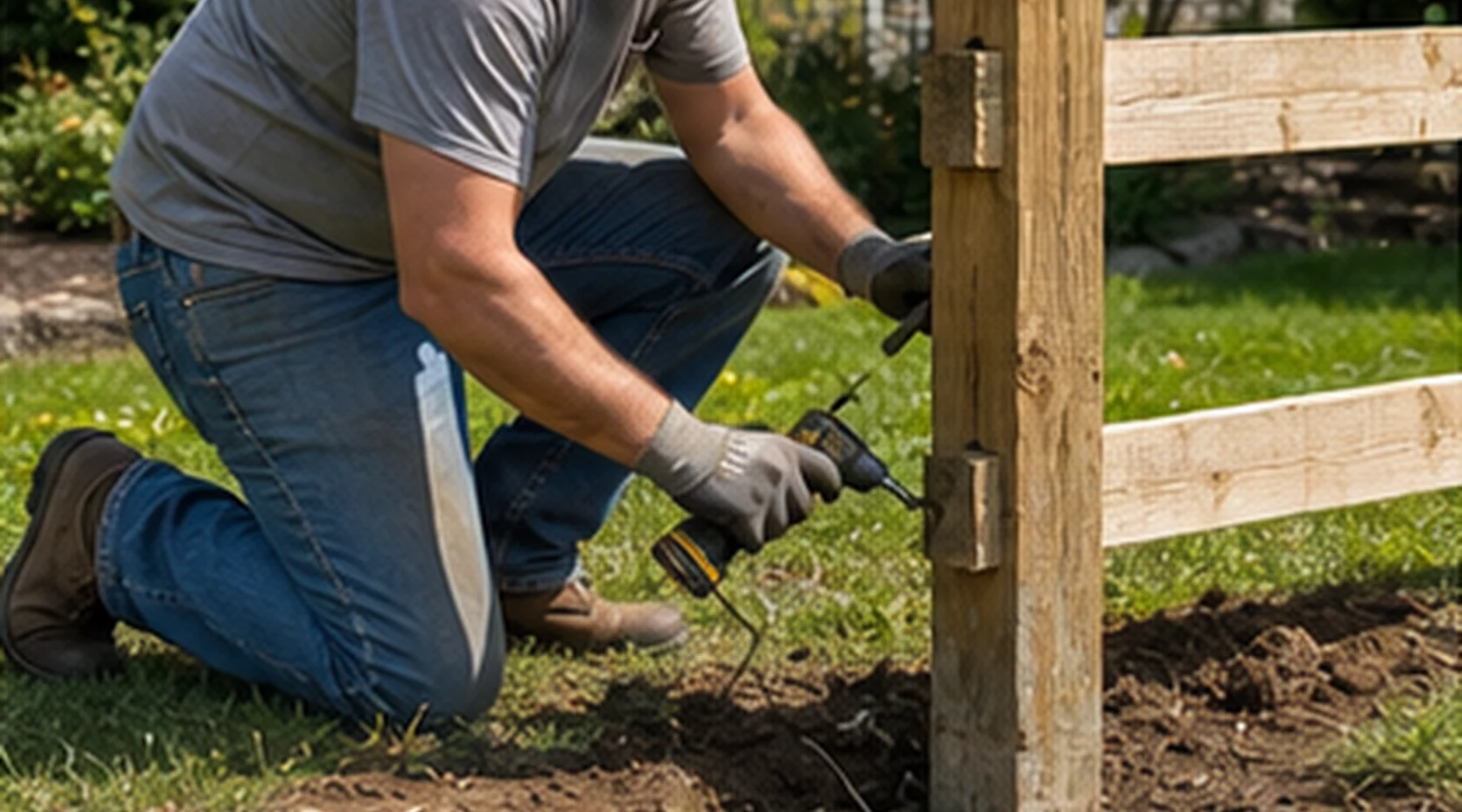
Wood Fence Styles We Install

  • Board-on-board (overlapping boards for privacy with wind passage)
  • Solid privacy (edge-to-edge boards, fully opaque)
  • Picket (decorative spaced vertical boards, 4-foot height)
  • Split rail (horizontal rails through drilled posts, rustic style)

Wood Fence Installation Standards

  • UC4B ground-contact treatment for all posts
  • Posts at 30-inch minimum depth with concrete
  • Hot-dipped galvanized or stainless fasteners throughout
  • Boards installed crown-up with consistent spacing
What Happens Next

Our Wood Fence Installation Process

1

Material Selection

Post treatment level confirmed (UC4B for ground contact). Board material agreed — PT pine or cedar. Fastener type specified.

2

Post Setting

Posts set at 30-inch minimum depth. End-grain sealed on cut ends before concrete is poured. Posts plumbed and braced.

3

Rails and Boards

Rails attached at correct heights. Boards installed crown-up with correct spacing. Gate framing built with diagonal compression brace.

4

Finishing

Cut ends of boards sealed. Gate hung and adjusted. Final alignment walk before completion.

When to Stain a New Wood Fence

New pressure-treated wood needs to dry out before stain is applied. Fresh PT wood has high moisture content from the treatment process — stain applied too early won't penetrate and will peel. Wait 6 months to 1 year before the first stain application. Test readiness by sprinkling water on the surface — if it beads, the wood isn't ready. If it absorbs, staining can proceed.

Fastener Selection

Standard bright steel nails rust and leave black streaks on cedar boards within one season. Hot-dipped galvanized nails or screws are the minimum for outdoor wood fencing. Stainless steel is the best option for cedar specifically — it never rust-stains the wood. We specify galvanized or stainless for all wood fence fasteners.

Post Spacing and Panel Layout

Standard post spacing for wood fencing is 6-8 feet on center, depending on the fence style and board width. We calculate the post spacing to avoid a narrow partial panel at the end of each run. A privacy fence that ends with a 3-inch board at the corner looks like a mistake — planning the post spacing from both ends avoids this.

Wood Fence Longevity in Maryland

Maryland's climate — hot humid summers, freeze-thaw cycles, occasional heavy snow — is harder on wood than drier climates. A well-installed wood fence with UC4B posts and regular staining should last 15-20 years. An under-treated post set without concrete in clay soil will lean within 5 years. Installation quality matters more than any other factor in wood fence longevity.

Frederick Wood Fence

Choosing Wood? Let's Get the Material Right.

Tell us the style, height, and preference for PT pine vs. cedar and we will put together a complete wood fence scope.

Request Service

Questions About Wood Fence Installation

How long will a wood fence last in Frederick's climate?

With UC4B ground-contact treated posts, concrete footings, and a regular staining schedule, a wood privacy fence in Frederick should last 15-20 years. The boards may need replacement at 10-15 years while the posts and rails are still sound. An under-treated or poorly installed fence deteriorates much faster — posts set without concrete in clay soil often lean within 3-5 years.

Is cedar or pressure-treated pine better for fence boards?

Cedar is better for fence boards on a fence you plan to stain or leave natural. It has tighter grain, holds stain better, and has a more attractive natural gray if left unsealed. Pressure-treated pine is fine for functional privacy fences where appearance is secondary. For structural members (posts and rails), pressure-treated pine is always the right choice — cedar does not come in the treatment levels required for ground-contact posts.

Can I paint my wood fence?

Yes, but paint holds up less well than penetrating stain on wood fence because paint forms a surface film that eventually peels as the wood moves seasonally. Semi-transparent penetrating stain is a better choice — it colors the wood without forming a surface film, so it doesn't peel. If you want an opaque finish, solid stain (not paint) is the better-performing option. We can advise on product selection for the specific wood used.

Related Residential Fence Services