Property-specific fencing in Frederick

Fencing Contractor Frederick

Property-Specific Fencing in Frederick, MD

HOA approval coordination, townhome constraints, commercial fencing, rental property durability, and sloped yard installation — fencing that works for the specific property conditions, not a generic plan.

01HOA Approval Before Installation

HOA fence approval and county permit are separate requirements — both must be secured before installation. We prepare the architectural committee submittal and confirm CC&R compliance before design is finalized.

02Sloped Yards Need Extra Layout

A fence on a slope can be stepped (horizontal panels at different elevations) or racked (panels that follow the grade). Each approach has a different appearance and material requirement. The choice is made before posts are set.

03Rental Durability

Rental properties need fencing that holds up without owner maintenance. Vinyl and aluminum require no painting and have fewer tenant-damage failure points than wood. We recommend materials for rental durability, not just lowest upfront cost.

Frederick Property-Specific Planning

Property-Specific Fencing: When Standard Residential Plans Don't Fit

A townhome with a narrow rear yard, a rental property that needs to survive tenant turnover, a commercial property with a specific security requirement, or a sloped yard that defeats standard panel installation — these properties need more than a template fence plan. We assess the specific constraints and design a fence that actually fits the property.

Stepped vs. Racked Fence Panels on Sloped Yards

A stepped fence uses level panels installed at different heights, with a gap below the lower edge of each panel where the grade drops. The gap must be kept under 4 inches for pet containment and pool barrier applications, and the stepped look may not be HOA-appropriate. A racked fence uses panels that follow the grade — the panel itself angles with the slope. Racking is only possible with certain fence styles (board-on-board and some vinyl systems), and only up to a certain slope angle before gaps open up between boards.

We assess the slope angle at each post location before recommending stepped vs. racked, and we flag when neither approach produces a gap-free result so that can be addressed in the design.

Property Types With Specific Fencing Needs

  • HOA communities with submittal requirements
  • Townhomes with shared or narrow rear yards
  • Commercial properties with security requirements
  • Rental properties needing durability over aesthetics

What Property-Specific Projects Include

  • CC&R and zoning review before design
  • HOA submittal preparation if required
  • Grade assessment for sloped lots
  • Material recommendation for durability or commercial use
What Happens Next

Our Property-Specific Fence Process

1

Constraint Research

HOA rules, zoning setbacks, grade conditions, and property-specific requirements confirmed before design starts.

2

Design for the Constraints

Fence layout designed for the actual yard — stepped vs. racked on grade, setback from shared boundary lines, gate placement for the access pattern.

3

Approval Coordination

HOA submittal prepared and submitted. Building permit applied for if required. Construction scheduled after approvals are in hand.

4

Installation

Fence installed per approved design. Grade changes managed during panel installation. Final alignment and gate adjustment confirmed.

HOA Fence Approval in Frederick County

Most Frederick County residential HOAs require architectural committee approval before any fence installation, regardless of whether a county permit is required. Approval typically takes 2-6 weeks depending on the HOA's meeting schedule. We prepare complete submittals — site plan, material specification, height confirmation — so the package is approved in one review cycle rather than requiring revisions and a second cycle.

Commercial Fencing Considerations

Commercial fencing in Frederick County may require a building permit regardless of height. Chain link for commercial security typically includes barbed wire at the top, which may require a zoning variance in commercial areas adjacent to residential zoning. We confirm IBC or Frederick County commercial code requirements for the specific property before designing a commercial fence scope.

Rental Property Fencing Strategy

Rental property fencing needs to be durable enough to survive tenant turnover without owner maintenance. Vinyl or aluminum requires no painting and handles vacancy periods without deteriorating. Wood requires painting or staining — deferred maintenance on a rental property produces a deteriorated fence in 3-5 years. We recommend materials based on the management model, not just the upfront cost.

Townhome Rear Yard Constraints

Townhome rear yards are often narrow, bounded by unit-line fences on both sides, and have utility easements in the back. The buildable area for a new fence is often very specific. HOA footprint limits and height maximums further constrain the design. We research the specific community's rules and the specific lot's easements before designing a townhome fence scope.
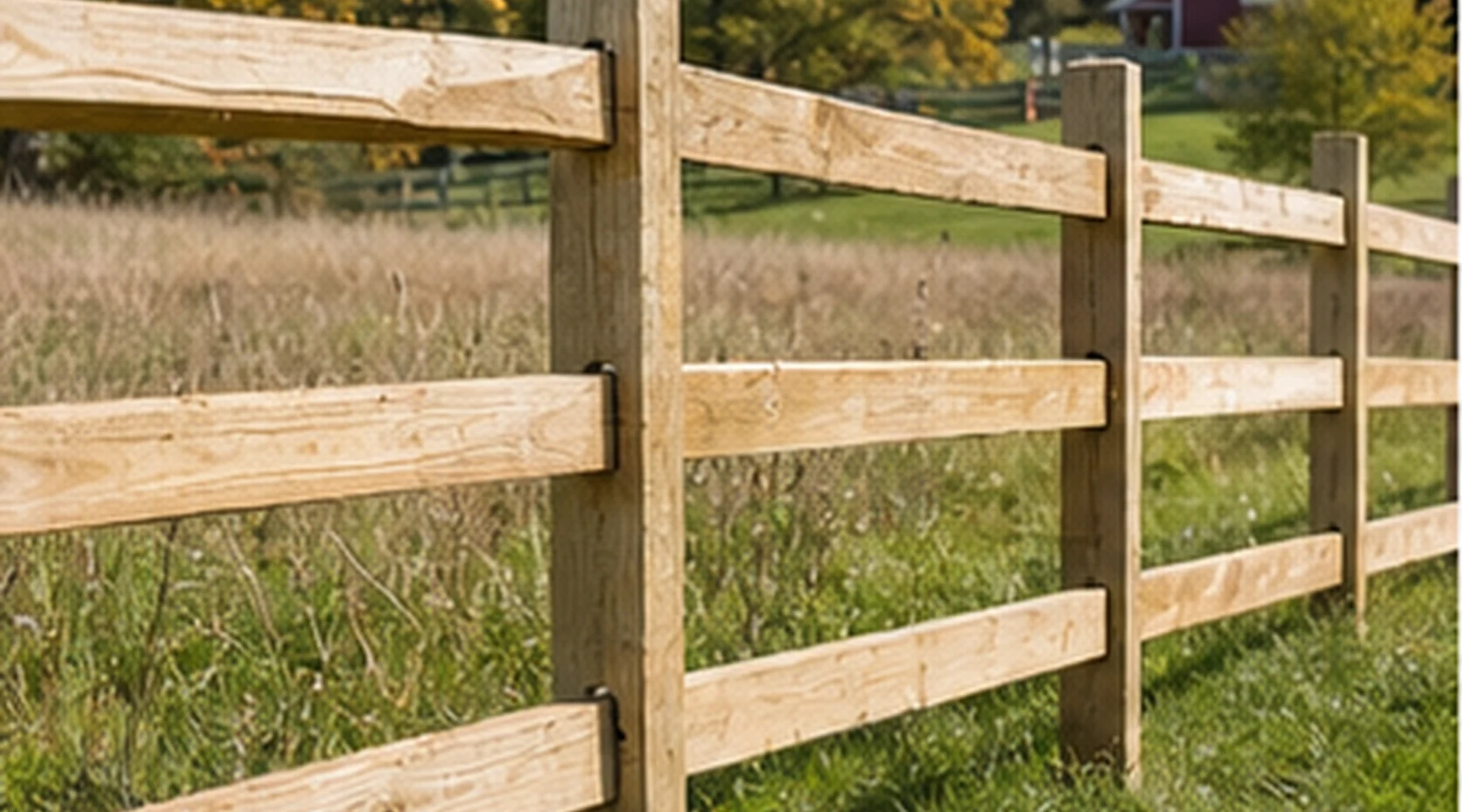
Frederick Property Fencing

Property Has Specific Constraints? We Plan Around Them.

Tell us the property type and the constraint — HOA, slope, commercial use, rental — and we will design a fence that fits.

Request Service

What to Ask About Property-Specific Fencing

Ask how they handle sloped lots — specifically whether they step or rack the panels and what determines that choice. Ask whether the estimate includes HOA submittal preparation or whether that's your responsibility. A contractor who designs a fence without reviewing the HOA CC&Rs may produce a design that gets rejected, costing you the approval delay on top of the redesign.

Questions About Property-Specific Fencing

Does my HOA have to approve my fence even if the county doesn't require a permit?

Yes. HOA approval and county permits are independent requirements. Many residential fences in Frederick County don't require a building permit — but the HOA approval requirement is in the CC&Rs and applies regardless of the county permit threshold. Building without HOA approval is a covenant violation that can result in enforcement action.

How do you install a fence on a steep slope?

For very steep slopes (more than 8-10 degrees), stepped panels are the most common approach — each panel is level, and the posts step down in height. Gaps at the bottom of the downhill step are addressed by adding a horizontal board at grade. For moderate slopes, racking (angling the top rail to follow the grade) works with certain fence styles. We assess the specific slope at each post location and recommend the approach before quoting.

What fence material lasts longest on a rental property?

Vinyl and aluminum last the longest with the least maintenance. Vinyl is not painted, doesn't rot, and only needs occasional washing. Aluminum doesn't rust, holds its finish for decades, and doesn't require painting. Both cost more upfront than wood but typically produce a lower total ownership cost for a rental property over a 10-15 year horizon when maintenance labor and repainting are factored in.

Property-Specific Fencing Services