Aluminum fence installation in Frederick

Residential Fence Installation

Aluminum Fence Installation in Frederick, MD

Ornamental aluminum fencing for front yards, pool barriers, and HOA communities — powder-coated finish that won't rust, with picket spacing and heights that meet pool barrier and HOA requirements.

01Powder Coating Won't Rust

Aluminum doesn't rust and a quality powder coat finish resists fading and chipping for decades. Unlike wrought iron, there is nothing to maintain — no painting required.

02Picket Spacing for Pool Barriers

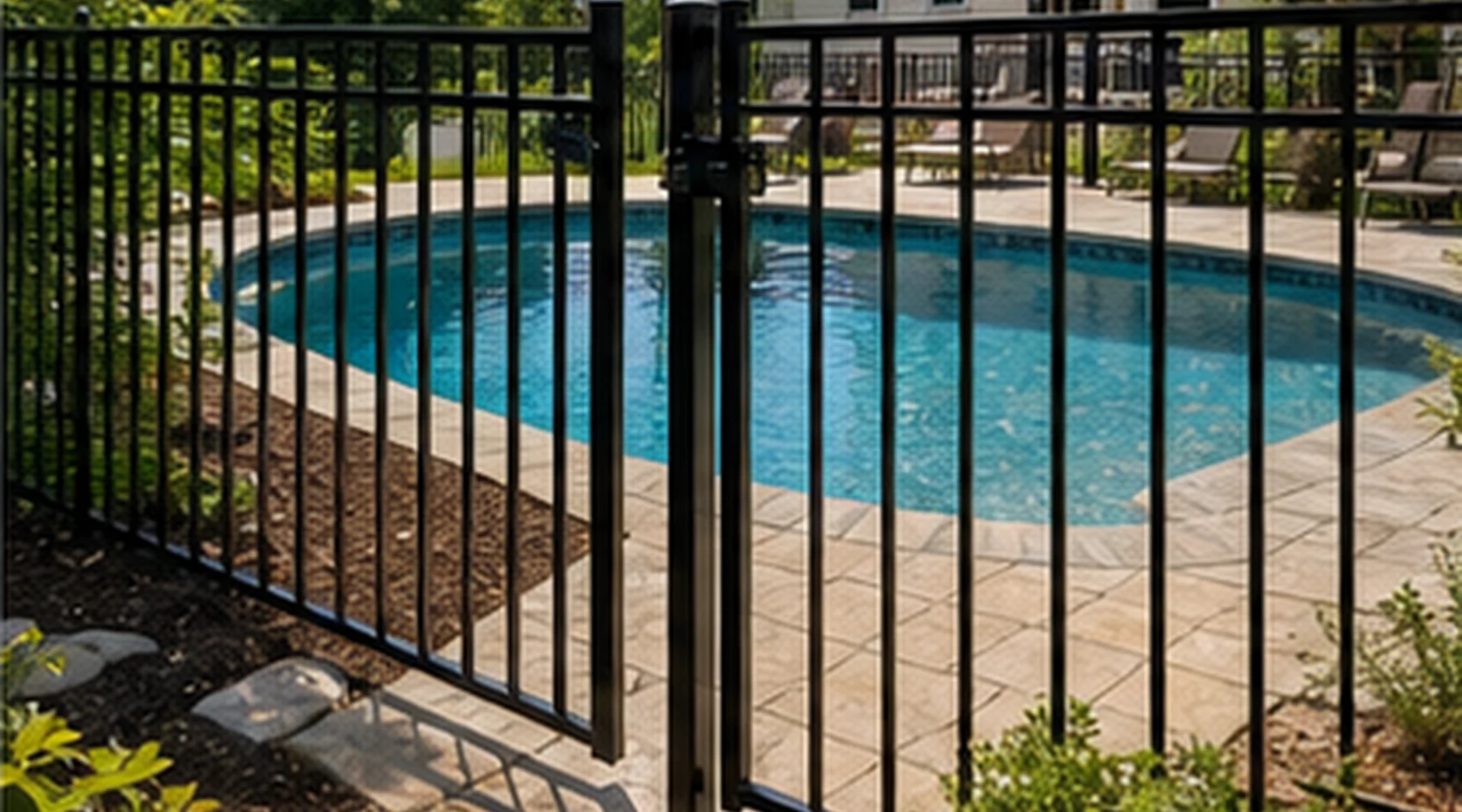
Ornamental aluminum pool barriers need pickets spaced 3.5 inches maximum (to prevent a 4-inch sphere from passing) and no horizontal members below 45 inches on the pool side. Decorative aluminum that doesn't meet these specs is not a pool barrier — even if it's sold as "pool fence."

03HOA Standard Profiles

Many Frederick County HOA communities specify a standard aluminum fence profile for streetscape consistency. We research the community's standard before specifying a product so the design doesn't need revision after submittal.

Frederick Aluminum Fence Planning

Aluminum Fence: When It's the Right Material Choice

Aluminum ornamental fencing is the right choice when a solid privacy fence is not the goal — front yard boundaries, pool barriers, garden borders, and HOA streetscape applications all benefit from aluminum's open appearance and zero maintenance. It is not appropriate as a privacy fence (the open pickets provide no visual screening) and it is not appropriate for livestock or pet containment without additional wire.

Residential Aluminum Fence Grades: What to Look For

Aluminum fencing is rated in grades — residential, commercial, and industrial — based on the wall thickness of the rail and picket tubing. Residential-grade aluminum uses 0.060-inch wall thickness. Commercial grade uses 0.075 to 0.100 inch. For most residential applications, residential grade is adequate. For pool barriers that see daily use and mechanical stress, we recommend at least commercial grade for longevity.

The post gauge matters even more than the panel grade. A heavy panel with an undersized post will flex at the post under lateral load. We match post gauge to the fence height and wind exposure of the specific installation.

Aluminum Fence Applications

  • Front yard boundary fencing (4-foot height typical)
  • Pool barrier (48-inch minimum, code-compliant picket spacing)
  • Garden and landscape border fencing
  • HOA-required ornamental streetscape fencing

Aluminum Fence Installation Standards

  • Posts set in concrete to 24-inch minimum for 4-foot fence
  • Posts set in concrete to 30-inch minimum for 6-foot fence
  • Pool barrier picket spacing 3.5 inches maximum
  • Gate posts reinforced with concrete fill for gate loads
What Happens Next

Our Aluminum Fence Installation Process

1

Product and Profile Selection

Fence grade, profile, and color selected against HOA requirements and application use. Pool barrier compliance confirmed if applicable.

2

Post Setting

Posts set in concrete at correct depth for fence height. Gate posts filled with concrete for additional strength. Posts aligned and plumbed.

3

Panel Installation

Fence panels cut to fit between posts and secured with rail clamps. No welding required — the rail-and-clamp system is designed for field adjustment.

4

Gate and Finish

Aluminum gate hung with heavy-duty aluminum or stainless hinges. Pool gate self-close and self-latch mechanism installed and tested. Final alignment confirmed.

Color Selection for HOA Communities

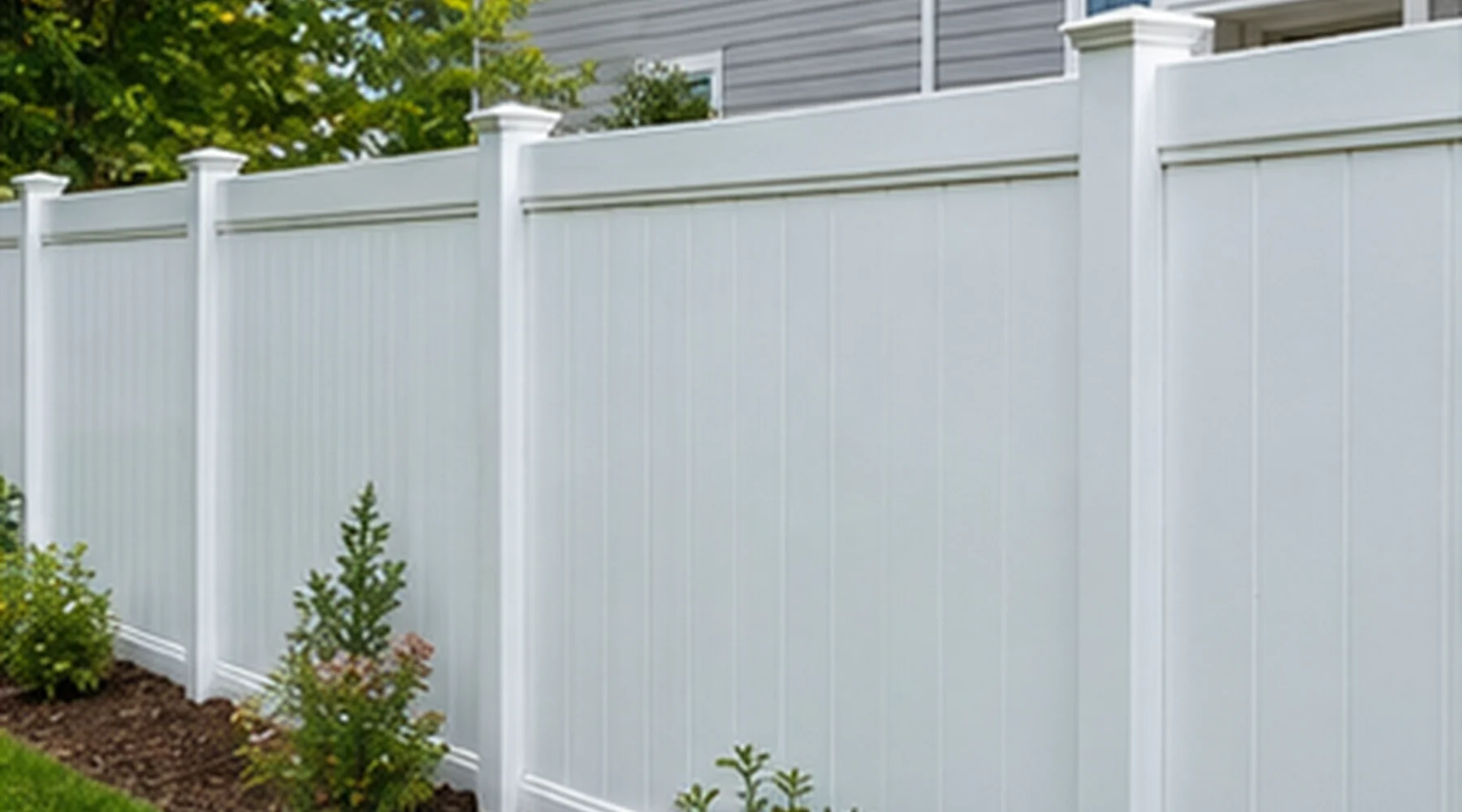
Black is the most common aluminum fence color and the most universally accepted in HOA architectural standards. Bronze/oil-rubbed bronze is common in communities with a traditional or colonial aesthetic. White aluminum is available but shows dirt more readily. We confirm the HOA-approved color list before ordering — an aluminum fence installed in the wrong color will need to be replaced at your expense.

Cost Comparison: Aluminum vs. Wrought Iron

Aluminum ornamental fencing typically costs 20-30% less than wrought iron of similar appearance. The main difference in performance is that wrought iron is heavier and stronger under impact, while aluminum is lighter and won't rust even when the coating is scratched. For residential applications, aluminum's performance is adequate. For high-security applications, wrought iron is appropriate.

Aluminum Fence on Slopes

Aluminum fence panels can be racked (angled) to follow a slope within the limits of the specific product's rackability specification. Most residential aluminum systems rack up to 15-20 degrees without special components. Steeper grades require stepped installation or special-order rackable sections. We measure the grade and confirm the installation approach before ordering panels.

No Maintenance, But Inspect Annually

Aluminum fence requires no painting and won't rust. But gate hardware — hinges, latches, self-close mechanisms — needs annual inspection and lubrication. Pool gate self-close springs lose tension over time and should be tested each season. We include a maintenance note at project completion with recommended inspection intervals.
Frederick Aluminum Fence

Need Ornamental Fencing That Won't Rust or Require Painting?

Tell us the application, height, and HOA color requirements and we will specify the right aluminum product.

Request Service

Questions About Aluminum Fence Installation

Will aluminum fence rust?

No. Aluminum does not rust — it forms a non-reactive aluminum oxide surface layer when the powder coat is scratched, but that layer prevents further corrosion. This makes aluminum a better choice than steel or wrought iron for pool environments and wet yard areas where steel fence would eventually rust through the coating.

Can I use decorative aluminum fence as a pool barrier?

Only if it meets pool barrier code requirements — 48-inch minimum height, picket spacing no more than 3.5 inches (to prevent a 4-inch sphere from passing), no horizontal members below 45 inches on the pool side that can be used as footholds, and a self-closing self-latching gate with the latch at 54 inches. Not all aluminum fence products meet these requirements. We specify pool-barrier-rated products and confirm compliance before installation.

What is the typical aluminum fence post depth?

For a 4-foot fence, posts are set at 24-inch depth minimum. For a 6-foot fence, 30 inches. All posts are set in concrete. Gate posts are filled with concrete to the full depth. Shallow posts in light soil are the most common failure mode for aluminum ornamental fencing, especially on exposed front yard sections where wind gets under the fence.

Related Residential Fence Services