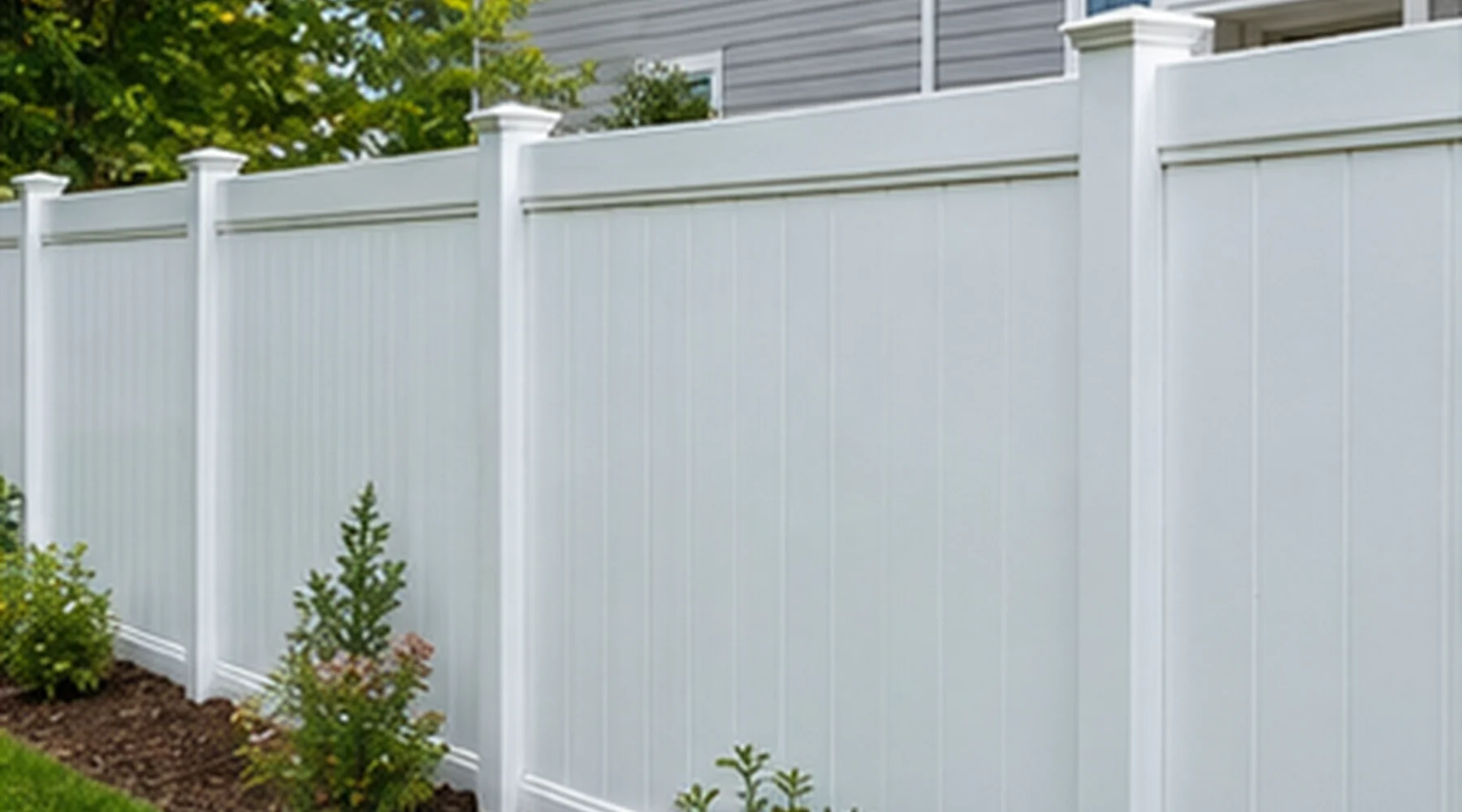
Privacy fence installation in Frederick

Residential Fence Installation

Privacy Fence Installation in Frederick, MD

6-foot solid privacy fencing for rear and side yards — posts at correct depth, boards installed with no gaps, and gates that actually close and latch.

01Post Depth Matters

A 6-foot privacy fence catches significant wind load. Posts must be set at 30-inch minimum depth with concrete — posts set at 24 inches will lean in the first fall wind event.

02Board-on-Board vs. Solid Panel

Board-on-board uses overlapping boards that allow wind to pass through slightly, reducing fence deflection in high winds. Solid panels are fully opaque but catch more wind load. We explain the tradeoff before you choose.

03Gate Placement Is Part of the Design

Gate location affects traffic flow, post spacing, and whether the gate can open fully without hitting the house, a step, or a downspout. We plan gate location before posts are set.

Frederick Privacy Fence Planning

Privacy Fence Installation: What Makes the Difference Between a Fence That Lasts and One That Doesn't

Frederick's wind events and freeze-thaw cycles are the main threats to a residential privacy fence. Posts set at inadequate depth heave and lean. Posts set without concrete in wet clay soil eventually shift. The installation method — depth, hole diameter, concrete type, cure time — determines how long the fence stays straight.

Wood Privacy Fence: Material and Treatment Selection

Pressure-treated pine is the standard for privacy fence framing (posts and rails). AC2 or ACQ treatment at UC4B ground contact rating is required for posts. Treatment levels matter — fence posts rated for above-ground use will rot at the soil contact point within 5-7 years. We specify ground-contact treatment for posts even if the boards above are a lighter treatment level.

Western red cedar is a popular natural option for the visible boards — it has natural rot resistance and holds stain well. Cedar costs more than PT pine but produces a higher-quality finished appearance. For a standard wood privacy fence, we use PT posts and rails with cedar boards, or all-PT construction depending on budget and preference.

Privacy Fence Heights in Frederick

  • 6 feet: standard rear/side yard privacy fence
  • 4 feet: allowed in front yards by some zoning rules
  • 8 feet: requires permit in most Frederick jurisdictions
  • HOA maximums: typically 6 feet, confirm before ordering

What Privacy Fence Installation Includes

  • Post depth 30 inches minimum with concrete
  • Posts cured 24 hours before rails and boards installed
  • Boards installed plumb and level with consistent spacing
  • Gate hardware adjusted for full swing and positive latch
What Happens Next

Our Privacy Fence Installation Process

1

Layout and Line

Property corners flagged, setback measured from the line, gate location confirmed, post spacing calculated to avoid partial panel cuts at ends.

2

Posts and Concrete

Holes augered or hand-dug to 30-inch minimum. Posts set plumb, concrete poured, posts braced for cure. 24-hour minimum cure before rails go on.

3

Rails and Boards

Horizontal rails attached to posts. Boards installed from one end, consistent spacing maintained, corners managed cleanly.

4

Gate and Walkthrough

Gate hung, adjusted, and latched. We walk the complete fence with you before leaving — alignment, gaps, gate function all confirmed.

Vinyl Privacy Fence Tradeoffs

Vinyl privacy fence panels require no painting and won't rot, but they are manufactured in standard widths and heights — custom sizing requires special orders. Vinyl panels are hollow and can deform in extreme heat. Vinyl fence posts must be filled with wood or concrete inserts for structural stability — hollow vinyl posts are not adequate for 6-foot privacy fence loads in areas with wind exposure. We confirm insert specifications when quoting vinyl.

What Shapes the Cost

Linear footage, fence height, material (cedar costs more than PT pine; vinyl costs more than wood), number of gates, grade changes that require stepped or racked panels, and permit fees if required.

Permits for Privacy Fences in Frederick

Most residential privacy fences under 7 feet in Frederick County do not require a building permit. A fence over 7 feet, or a fence in Frederick City, may require a permit. Confirm before ordering material — building a non-permitted fence above the threshold creates a problem at resale.

Maintenance After Installation

Pressure-treated wood: allow to dry for 6 months before staining. After the first stain, re-stain every 2-4 years in Maryland's climate. Cedar: same staining schedule, but cedar naturally grays if left unstained — not a problem unless you prefer a consistent color. Vinyl: wash annually, inspect panel locks and post caps.

Frederick Privacy Fence

Ready for a Private Backyard?

Tell us the linear footage and gate locations and we will put together a complete privacy fence scope.

Request Service

What to Ask a Privacy Fence Installer

Ask specifically how deep the posts will be set and the concrete type. Ask how they handle the grade if the yard is not flat. Ask what happens if they hit a root or rock at the post location — do they adjust the post location or push through the obstacle with a narrower hole?

Questions About Privacy Fence Installation

How long does a wood privacy fence last in Maryland?

A properly installed wood privacy fence with ground-contact treated posts and regular maintenance should last 15-20 years in Maryland's climate. The posts are the weak point — properly treated posts with concrete hold longer. Board life depends on staining frequency. A fence that is never stained will have boards that check and split within 10 years; a fence stained every 3-4 years will last significantly longer.

Can I install a privacy fence myself?

Yes, but post setting is the part most homeowners underestimate. Getting posts plumb in concrete is harder than it looks, and a post that cures out of plumb must be re-dug. Renting a post-hole auger is the right approach for more than a few posts. The gate is also more complex than it appears — if the posts aren't set at the exact right spacing for the gate leaf, the gate won't latch.

Should a privacy fence go on the property line or set back from it?

Most zoning requires a 1-2 foot setback from the property line. HOAs sometimes require more. Setting the fence slightly inside the line is cleaner — it avoids any ambiguity about encroachment and leaves room for maintenance access on the fence exterior without entering neighbor property. We confirm the setback requirement for your address before laying out the line.

Related Residential Fence Services