Specialty fencing in Frederick

Fencing Contractor Frederick

Specialty Fencing in Frederick, MD

Pool barriers, pet containment, decorative, security, and farm fencing — each application has specific height, material, and code requirements that a standard privacy fence doesn't address.

01Pool Barrier Height: 48 Inches Minimum

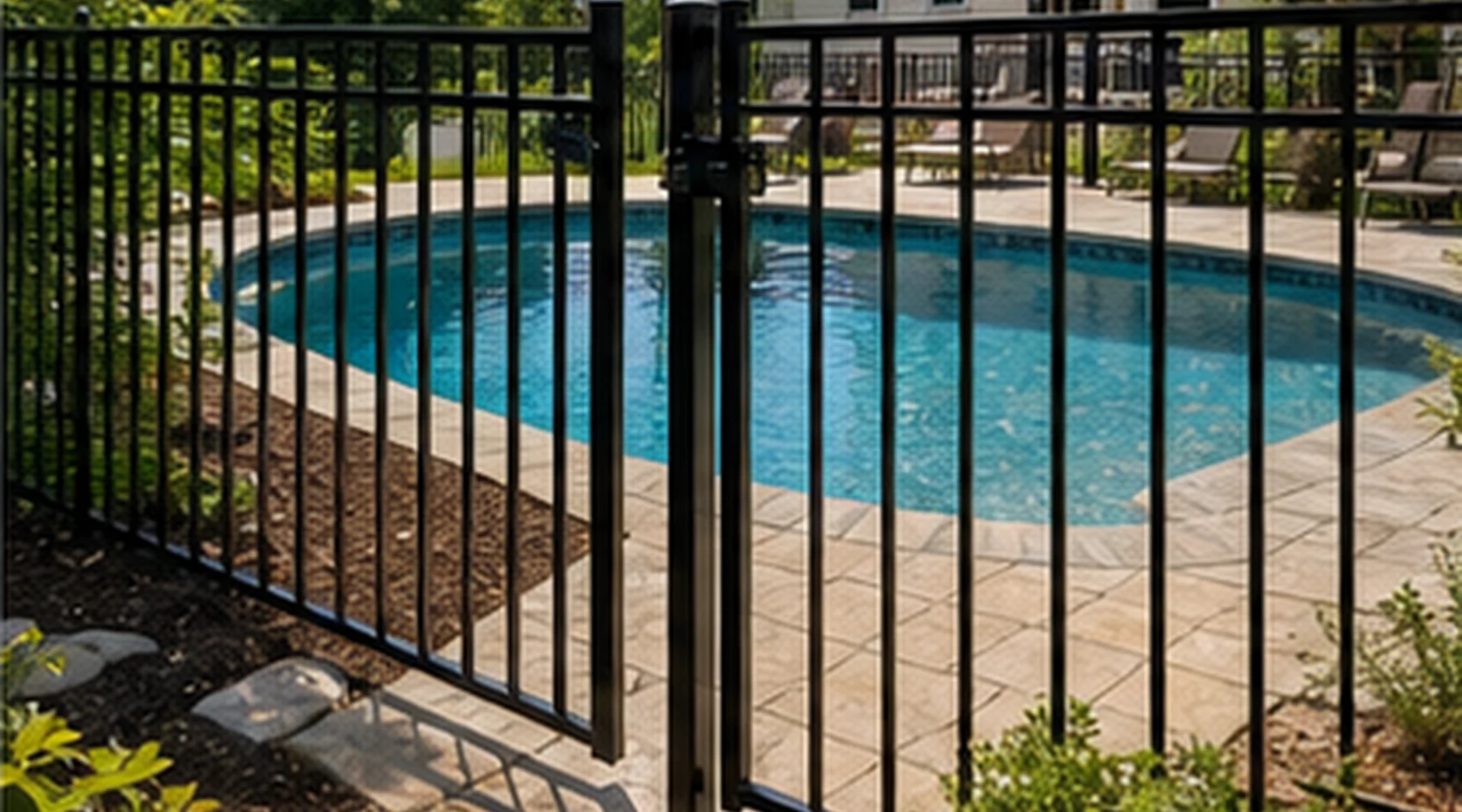
Maryland requires pool barriers to be at least 48 inches high with no gaps that allow a 4-inch sphere to pass and no handholds on the pool side that allow climbing. This is not the same as a standard 4-foot privacy fence.

02Pet Fencing: Height and Dig Resistance

A dog fence height depends on the breed. A 4-foot fence contains most small dogs but not a large retriever or shepherd. Dig-resistant fencing requires a concrete footer or buried hardware cloth — not just a post set to standard depth.

03Farm and Split Rail: Different Methodology

Split-rail and farm fence posts are not typically set with concrete — they are driven or set in tamped soil because the fence is intended to flex with the landscape. Installation method differs from standard residential privacy fencing.

Frederick Specialty Fence Planning

Specialty Fencing: When Standard Fence Installation Rules Don't Apply

Pool barriers, pet fencing, and agricultural fencing each have requirements that diverge from standard residential privacy fence installation. A pool barrier must meet specific height and gap requirements that are inspected. A farm fence must handle livestock pressure. Getting the application-specific details right is what separates a specialty fence that works from one that fails the inspection or fails the animal.

Pool Barrier Requirements in Maryland: What Makes Them Different

Maryland residential code requires pool barriers to be at least 48 inches high. The barrier cannot have horizontal rails or openings on the pool side that can be used as handholds or footholds for climbing. Gaps between fence boards cannot allow a 4-inch sphere to pass through. The gate must be self-closing and self-latching with the latch on the pool side at 54 inches minimum.

These requirements mean that a standard wood privacy fence with horizontal rails on the outside is acceptable, but horizontal rails on the pool (inside) face are not. Chain-link pool barriers must use 2-inch or smaller mesh. Wrought iron or aluminum pool barriers must have vertical pickets with no horizontal members below 45 inches on the pool side.

Specialty Applications We Install For

  • In-ground and above-ground pool barriers
  • Dog and pet containment (all breeds)
  • Decorative ornamental fencing
  • Security perimeter fencing

What Specialty Fence Installation Includes

  • Application-specific height and gap requirements confirmed
  • Material selected for the specific use
  • Pool gate code compliance (if applicable)
  • Farm fence methodology: driven posts vs. concrete
What Happens Next

Our Specialty Fence Installation Process

1

Application Review

Code requirements confirmed for the specific application. Pool barriers, pet fencing, and security fencing each have different standards. Design confirmed before quoting.

2

Material Selection

Material chosen for the application requirements — not just appearance. Pool barriers: aluminum or vinyl with compliant picket spacing. Pet: wire or board with dig resistance as needed.

3

Installation

Posts set to the correct depth for the application. Farm fences: driven or tamped. Pool barriers: concrete always, to carry gate load.

4

Inspection Coordination

Pool barrier inspection scheduled with the county. We don't close out a pool barrier project until it has passed inspection.

Pet Fence Height by Breed

A 4-foot fence contains most small and medium dogs who don't jump. A 5-foot fence contains most large dogs. An athletic or escape-prone large dog — Husky, German Shepherd, Belgian Malinois — may require 6 feet or an inward-angling extension at the top. We discuss breed behavior at the estimate visit and recommend accordingly. Under-height pet fencing fails quickly and expensively.

Decorative Fencing in HOA Communities

Ornamental aluminum and wrought iron fencing are the most common decorative options approved by Frederick County HOAs. They provide visual separation without a solid privacy barrier — appropriate for front yards and streetscapes where HOAs typically prohibit solid fencing. We specify rail spacing and picket height to match the community's existing streetscape where applicable.

Farm and Split-Rail Applications

Split-rail fencing is decorative rather than containment — open rails don't stop livestock or pets. For livestock containment, welded wire or woven wire field fence stapled to wooden posts is the common approach. Post installation without concrete is appropriate where the posts are driven into firm soil. Rocky or clay-heavy soil in parts of Frederick County may require augered holes and concrete even for farm fence.

Security Fencing

Security fencing for commercial properties typically uses chain link with three strands of barbed wire at the top, or welded wire panel fencing. Height requirements vary by jurisdiction. We install security fencing per county zoning requirements — barbed wire is regulated in residential zones and not permitted in some HOA communities. We confirm requirements before specifying security fence details.
Frederick Specialty Fencing

Pool Barrier, Pet Fence, or Security Fencing?

Tell us the application and site dimensions and we will confirm the code requirements and put together the right scope.

Request Service

What to Ask About Specialty Fence Installation

Ask specifically what code requirements apply to the application and whether the installation will be inspected. A contractor who says pool barriers don't require a permit when there's a pool permit involved doesn't understand the inspection sequence. Ask how dig resistance is addressed for pet fencing — if they say "just set the posts deeper," they're not preventing digging at the surface.

Questions About Specialty Fencing

What height does a pool fence need to be in Maryland?

Maryland residential code requires pool barrier fencing to be at least 48 inches high. The fence must not have horizontal members that allow climbing on the pool side. Gate latches must be on the pool side at 54 inches minimum. These requirements apply regardless of what local zoning or HOA rules specify — code sets the minimum and you must meet or exceed it.

What fence type actually keeps dogs in the yard?

It depends on the dog. For dogs that dig, a buried hardware cloth apron (12-18 inches horizontal, turned away from the fence, buried 6 inches) at the fence base is the most reliable solution. For dogs that climb or jump, height matters — 5-6 feet for most dogs, with an inward-angling coyote roller or topper for athletic breeds. We discuss the specific dog at the estimate visit and recommend a system that addresses the actual escape method.

Is split-rail fencing appropriate for keeping animals in?

No, not without additional wire. Split-rail fence is decorative — open horizontal rails provide no containment for livestock, pets, or children. For any containment application, welded wire or woven wire is stapled to the inside of the split-rail posts. The split rail provides the aesthetic framework; the wire provides the containment. We install this combination for rural and decorative-with-containment applications.

Specialty Fencing Services