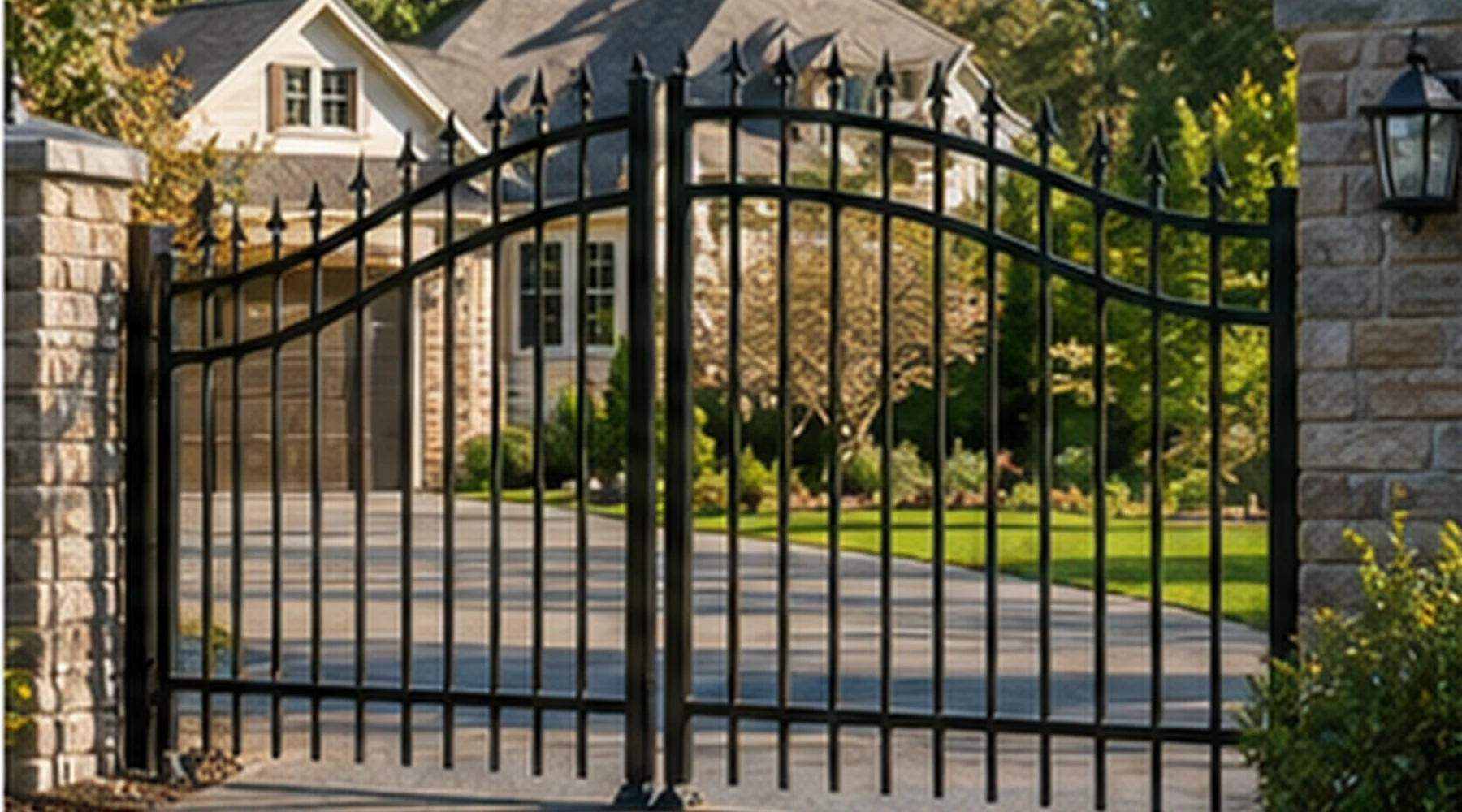
Gate and access solutions in Frederick

Fencing Contractor Frederick

Gate and Access Solutions in Frederick, MD

Driveway gates, walk gates, pool gates, and double gates — built to the width and swing direction the property needs, with hardware that holds up to daily use.

01Width and Swing Direction First

Gate width and swing direction are decided before hardware is ordered. A gate that opens into a slope or clears a car by 2 inches is unusable. We plan the opening before the gate is built.

02Hardware Sized for the Gate Weight

Heavy double gates and driveway gates require heavy-duty hardware — undersized hinges sag immediately. Hardware weight rating is matched to gate weight and frequency of use.

03Pool Gate Code Requirements

Pool gates in Maryland must be self-closing and self-latching, with the latch on the pool side at least 54 inches from the bottom. We install pool gates to Maryland residential code requirements.

Frederick Gate Planning

Gate Installation: The Hardware Is What Makes or Breaks It

A gate can be well-built and still fail within a season if the hardware is undersized or incorrectly installed. A 4-foot wood gate with surface-mount strap hinges screwed into end grain will sag. A pool gate with a non-self-closing hinge is a code violation. Hardware selection and installation is more than half the work of a gate project.

Choosing the Right Gate Width

Walk gates typically need a 36-inch clear opening minimum for comfortable passage. Driveway gates need a clear opening sized for the largest vehicle that uses the driveway — a standard single car needs at least 10 feet, but a pickup truck or trailer needs 12-14 feet. Single-swing driveway gates need room to open without hitting the vehicle or a mailbox post. Double gates that meet in the center provide more opening width without requiring a single wide gate leaf that is difficult to control in wind.

We confirm the required clear opening width and the swing arc clearance before sizing the gate, not after the posts are set and the gate leaf turns out to hit the post base.

Gate Types We Install

  • Driveway gates (single and double leaf)
  • Walk gates (36-inch standard, wider on request)
  • Pool gates (self-closing, self-latching to code)
  • Double drive-through gates for rear yard access

What Gate Installation Includes

  • Opening width confirmed before gate is built
  • Hardware sized for gate weight and use frequency
  • Posts set in concrete at correct height for the gate
  • Gate adjusted for plumb swing and positive latch
What Happens Next

Our Gate Installation Process

1

Opening Design

Clear opening width measured, swing direction confirmed, arc clearance checked. Gate leaf size and hinge side decided before posts are set.

2

Gate Posts

Gate posts set deeper than line posts — gates carry more load through the hinge side. Posts set in concrete and allowed to cure before gate is hung.

3

Gate Build and Hardware

Gate frame built to the correct dimensions with diagonal bracing to prevent racking. Hardware installed at correct positions for the gate weight.

4

Hang and Adjust

Gate hung, swing checked, hinge hardware tightened, latch adjusted for positive close. Pool gates tested for self-close and self-latch compliance.

Pool Gate Code in Maryland

Maryland residential code requires pool barrier gates to be self-closing (spring-loaded hinges or pneumatic closers) and self-latching (the latch engages automatically when the gate swings closed). The latch must be on the pool side of the gate and positioned at least 54 inches above grade — out of reach of small children. We install pool gates to these requirements by default, not as an optional add-on.

Gate Hardware Longevity

Galvanized steel or stainless steel hardware lasts significantly longer than zinc-plated hardware in outdoor Maryland conditions. Powder-coated aluminum hinges can be matched to fence color but are appropriate only for lighter gates. We specify hardware material and weight rating for each gate so the selection is appropriate for the actual application.

Double Gate vs. Single Gate

A single wide gate (over 6 feet) is heavy and difficult to keep plumb over time. A double gate that meets in the center uses two lighter leaves with a center drop rod — easier to operate and easier to adjust when one leaf sags. We recommend double gates for openings over 8 feet and for driveway openings where daily operation is expected.

Existing Gate Posts

If existing gate posts are sound and plumb, a new gate can sometimes be hung from them. We assess post condition and plumb before recommending whether existing posts can be reused. A gate hung on an out-of-plumb post will swing toward the post and not latch correctly — the post needs to be plumb or the hardware needs to be shimmed to compensate.

Frederick Gate Installation

Need a New Gate or Hardware Replacement?

Tell us the gate location, required width, and fence material and we will put together a complete gate scope.

Request Service

What to Ask a Gate Installer

Ask specifically how deep gate posts are set versus line posts, and how the hardware weight rating is matched to the gate. Ask about the self-closing mechanism for pool gates — spring hinges vs. pneumatic. A contractor who can't explain the hardware selection in plain terms probably used whatever was on the shelf, not what the gate requires.

Questions About Gate and Access Solutions

How wide should my driveway gate opening be?

A standard passenger car needs a 10-foot clear opening comfortably. Add a foot on each side if the driveway approach is angled. A pickup truck needs at least 11-12 feet. A utility trailer or RV needs 12-14 feet. We recommend measuring the widest vehicle that uses the driveway before confirming the gate opening — it is much cheaper to get the opening right the first time than to widen it later.

Why does my existing gate sag and not close properly?

Gate sag is almost always caused by insufficient diagonal bracing in the gate frame, undersized hinges, or hinge screws pulling out of the post. A gate without a diagonal compression brace from the hinge side bottom corner to the latch side top corner will rack over time under its own weight. We assess the existing gate frame and hardware before recommending repair vs. replacement.

Does a pool gate need a permit?

The pool barrier — fence and gates — typically requires a permit as part of the pool permit. If the barrier was not built to code initially and you are now adding or replacing a pool gate, Frederick County may require a permit for the correction. We confirm permit requirements before starting pool gate work.

Gate and Access Services