Full fence replacement in Frederick

Fence Repair & Replacement

Full Fence Replacement in Frederick, MD

Complete tear-out and new fence installation when the existing fence has reached the point where repair costs exceed replacement value — including old material disposal and a fresh start with correct post depth and materials.

01Old Concrete Must Come Out

Full replacement means removing every old post and its concrete footing — not building around them. Existing concrete left in the ground interferes with new post placement and introduces uncertainties in post alignment.

02The Right Moment to Change Materials

Full replacement is the right time to reconsider material. If the wood fence that just failed required painting and staining every few years, replacement is when to evaluate whether vinyl or aluminum better fits how you actually maintain a fence.

03Disposition of Old Fence Material

Old fence boards and posts are included in our removal and disposal unless the homeowner wants to keep the material. Broken concrete is disposed of as construction waste. Site is left clean before new installation starts.

Frederick Full Fence Replacement

When Repair Stops Making Financial Sense

There is a point in every fence's life when the cost of another round of repairs exceeds the cost of starting fresh. Multiple failing posts spread throughout the fence run, boards in universal deterioration, and rails pulling away from posts at multiple locations all signal that the fence has reached that point. Full replacement at this stage is the better investment — you get a new 15-20 year fence rather than extending a failing one by a few years at escalating repair cost.

Full Replacement vs. Repair: Where the Line Is

We use a general threshold: if more than 40-50% of the posts are failing or need replacement, and the rails have widespread deterioration, full replacement is usually cheaper over the next 5 years than sequential repairs. If you're looking at replacing 15 posts out of 30, that's effectively a full post replacement — but without the benefit of starting with new rails and boards at the same time.

Fence age is also a factor. A 20-year-old fence where everything has reached end of life simultaneously is a candidate for full replacement even if each component is individually fixable. Keeping a 20-year-old fence alive year-to-year through sequential repairs is an ongoing cost — a new fence resets the clock.

What Full Replacement Includes

  • Full tear-out of existing fence and disposal
  • Old post and concrete extraction from all holes
  • New post setting at 30-inch minimum depth
  • New rails, boards/panels, and gates

Material Upgrade Options at Replacement

  • Wood to vinyl — eliminates painting and staining
  • Wood to composite — reduced maintenance, longer board life
  • Privacy to board-on-board — better wind resistance
  • Standard posts to 6x6 corners — improved structural life
What Happens Next

Our Full Fence Replacement Process

1

Site Walk and Layout

Property corners confirmed, utility locate (811) called, gate locations and grade changes noted. New fence layout agreed before tear-out starts.

2

Tear-Out and Disposal

Existing fence removed in sections. All posts extracted with concrete. Material disposed of. Site cleared before new installation begins.

3

New Post Setting

New posts at 30-inch minimum depth with concrete. Corner posts and gate posts set first. All posts plumbed and braced for cure.

4

Rails, Panels, and Gates

New rails, boards, and panels installed per the agreed specification. Gates hung and adjusted. Final alignment walk before project completion.

Concrete Disposal and Reuse

Old fence post concrete is broken out of the ground and disposed of as construction waste. We don't reuse old concrete footings for new posts — the footing dimensions won't match the new post size precisely, and the concrete quality from a 15-20 year old installation is unknown. Starting fresh with new concrete in clean holes is the only correct approach for full replacement.

What to Know About Permits

Frederick County generally does not require a permit for fence replacement in the same location at the same height, but HOA approval may be required before starting. If the replacement changes the fence height, location, or material significantly, a building permit may apply. We clarify the permit and HOA requirement for your specific project before scheduling.

Replacing Only Part of a Fence

If only one side of a backyard enclosure has failed and the other sides are still sound, partial replacement is an option. We can replace the failing section while leaving the sound sections intact. The new section's color will not immediately match weathered wood on the adjacent sections — this is a normal, temporary condition that resolves over one to two seasons of weathering.

Grade and Drainage at Replacement

Full replacement is also the time to correct grade or drainage problems that accelerated the original fence's failure. If the old fence line ran through a low area that holds water, we discuss drainage options — a French drain alongside the fence line, grade correction, or post positioning — before setting new posts in the same problem area.
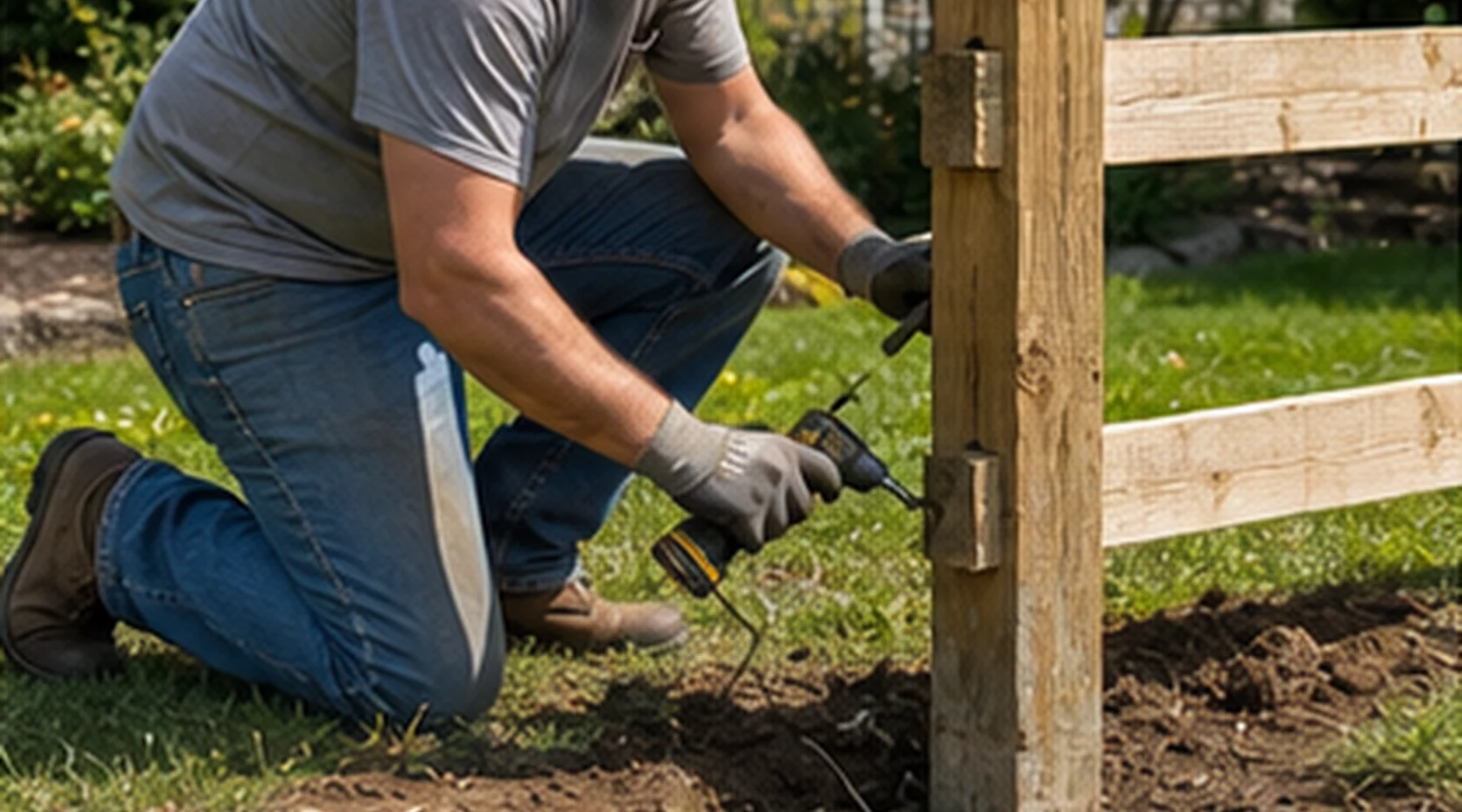
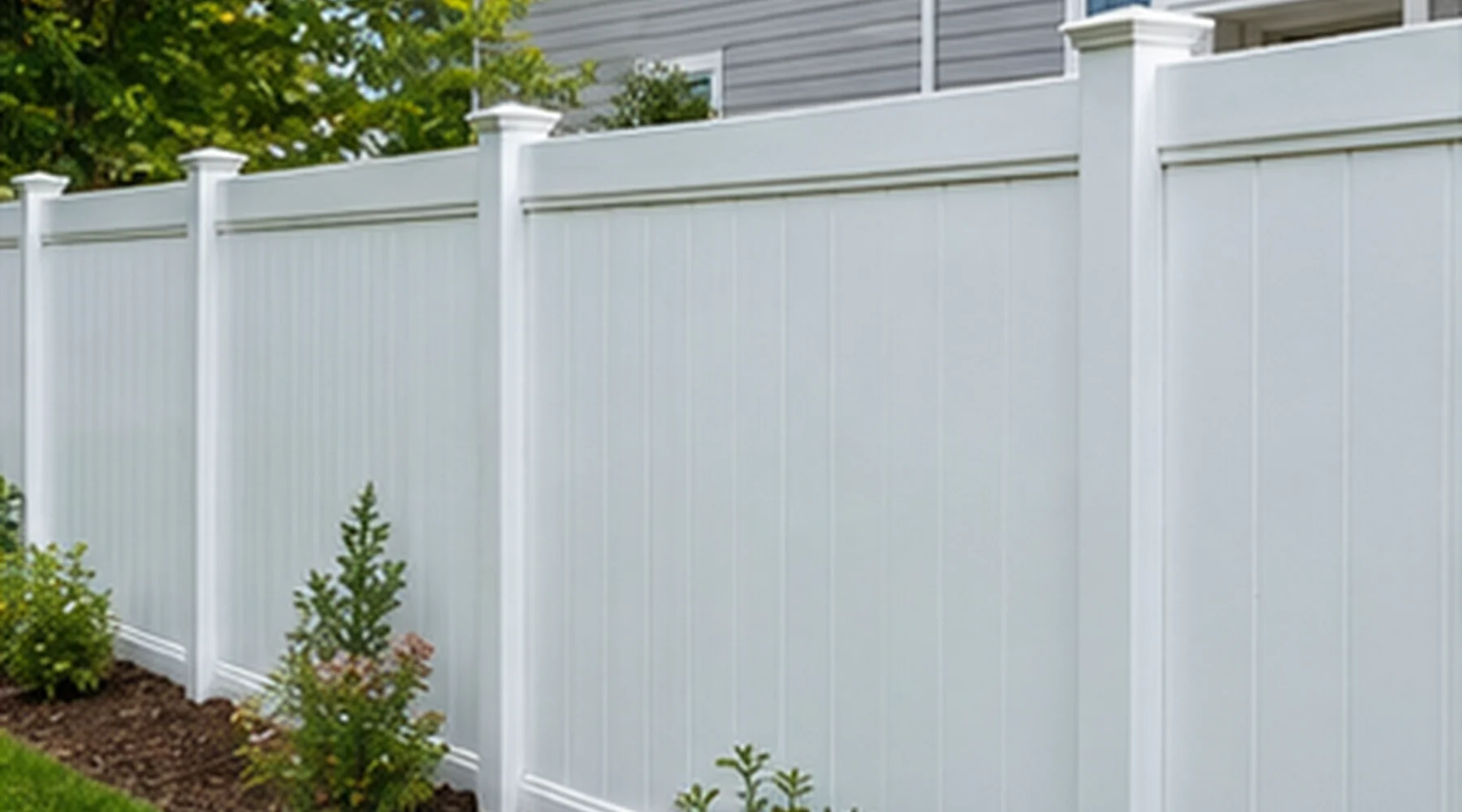
Frederick Full Fence Replacement

Fence Beyond Repair? Let's Start Fresh.

Tell us the linear footage, current material, and what you're looking for in the replacement and we will put together a complete scope.

Request Service

Questions About Full Fence Replacement

How long does full fence replacement take?

Most full residential fence replacements complete in 2-3 days. Day one covers tear-out and post setting. Posts cure overnight (24 hours minimum). Day two or three covers rails, boards, and gates. Longer fence runs or fences with many grade changes may take an additional day. We give you a specific timeline estimate when we confirm the project scope.

Do I need to notify my neighbors before replacing the fence?

Legally, no notification is required for fence replacement on your property — but it's courteous to let adjacent neighbors know work is starting, especially if the fence is on or near the property line. If the fence is shared, coordinate with the neighbor before tear-out so they're not surprised by the loss of privacy during the installation gap.

Should I upgrade the material when replacing?

Consider upgrade if the original material required ongoing maintenance you didn't enjoy doing. If a wood fence required painting every 3-5 years and you consistently skipped it, vinyl's no-maintenance profile addresses the actual maintenance behavior rather than relying on future behavior change. Material upgrades add cost upfront but change the maintenance equation for the next 15-20 year fence life.

Related Services